01

Add suitable scraps
Place suitable household food scraps inside without exceeding the marked capacity.

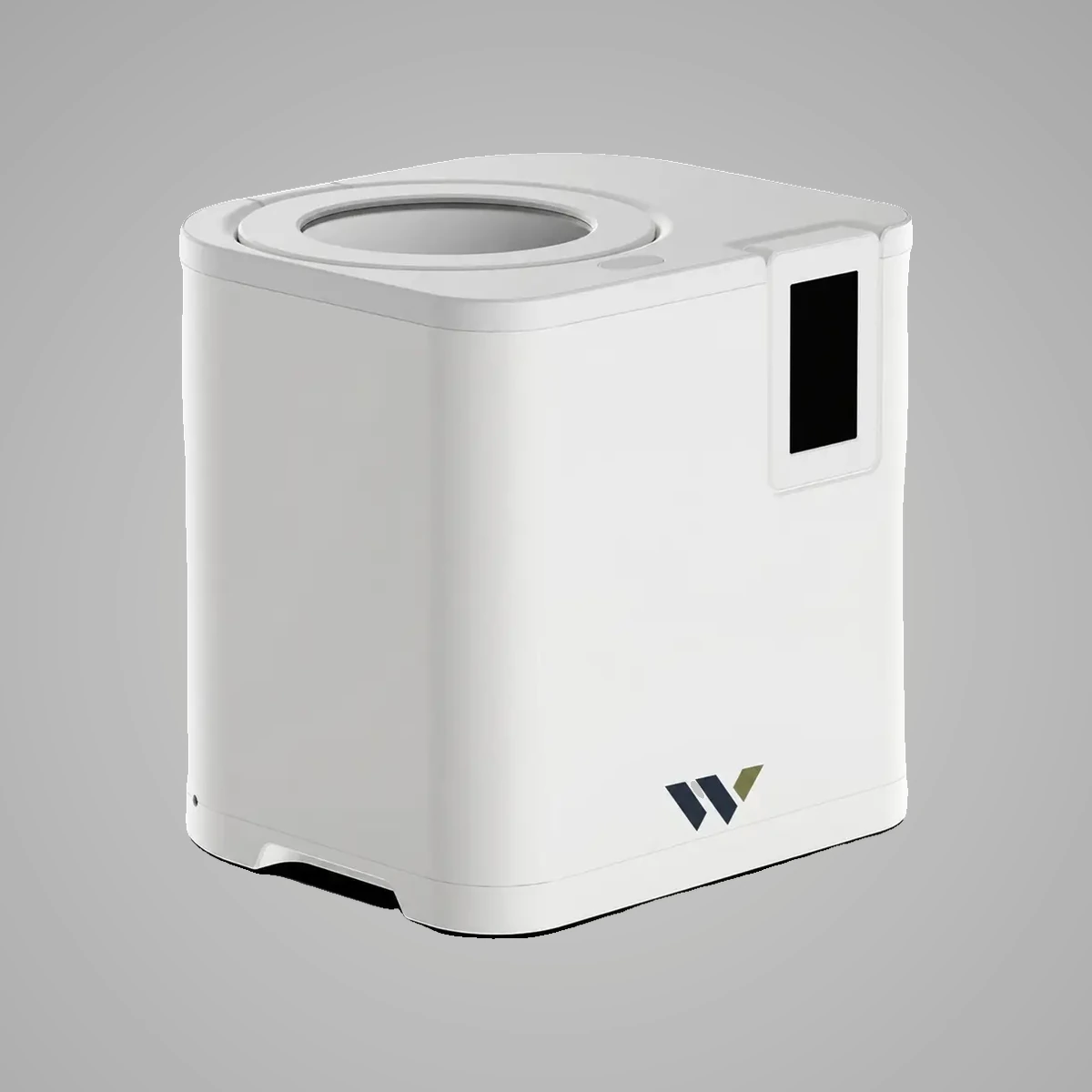
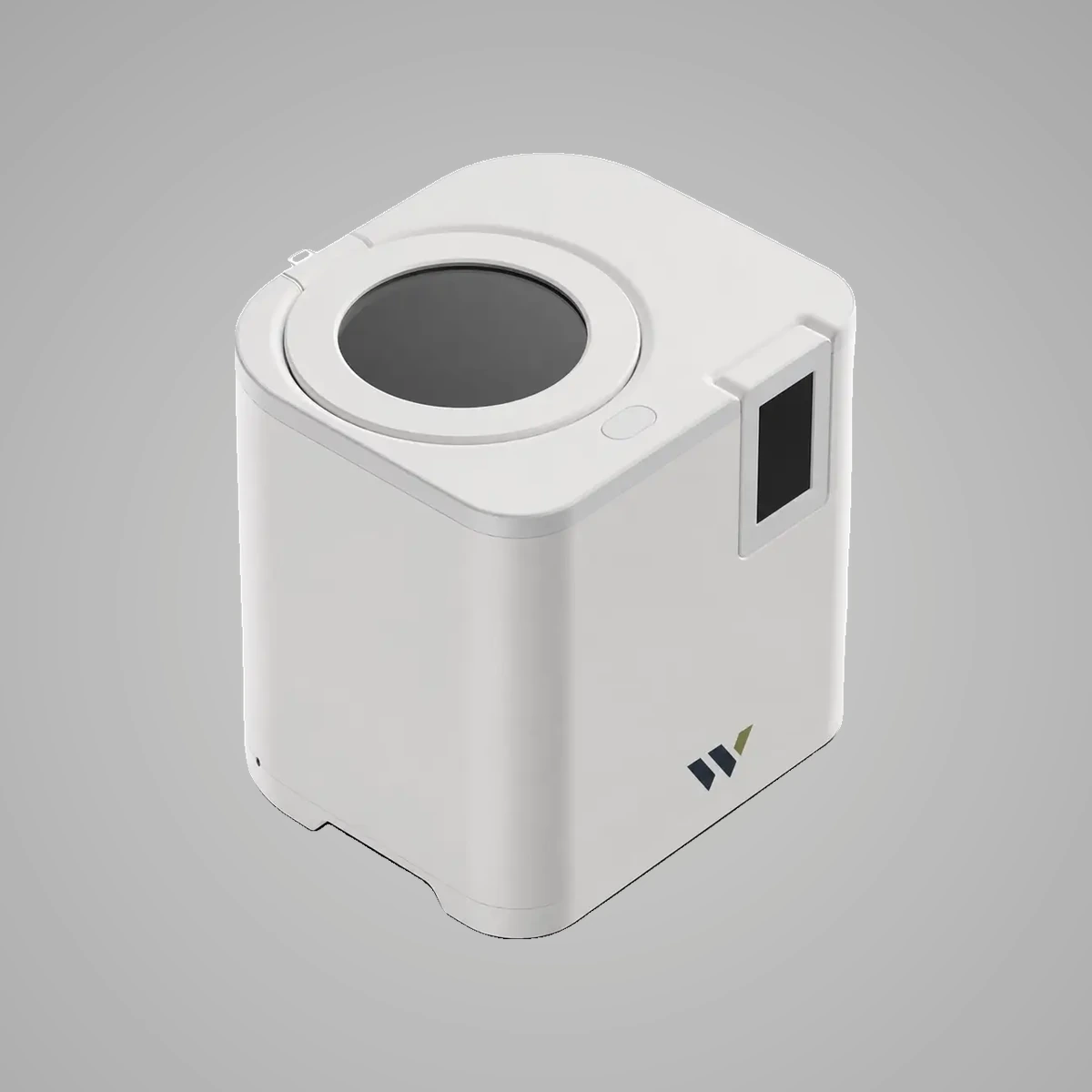
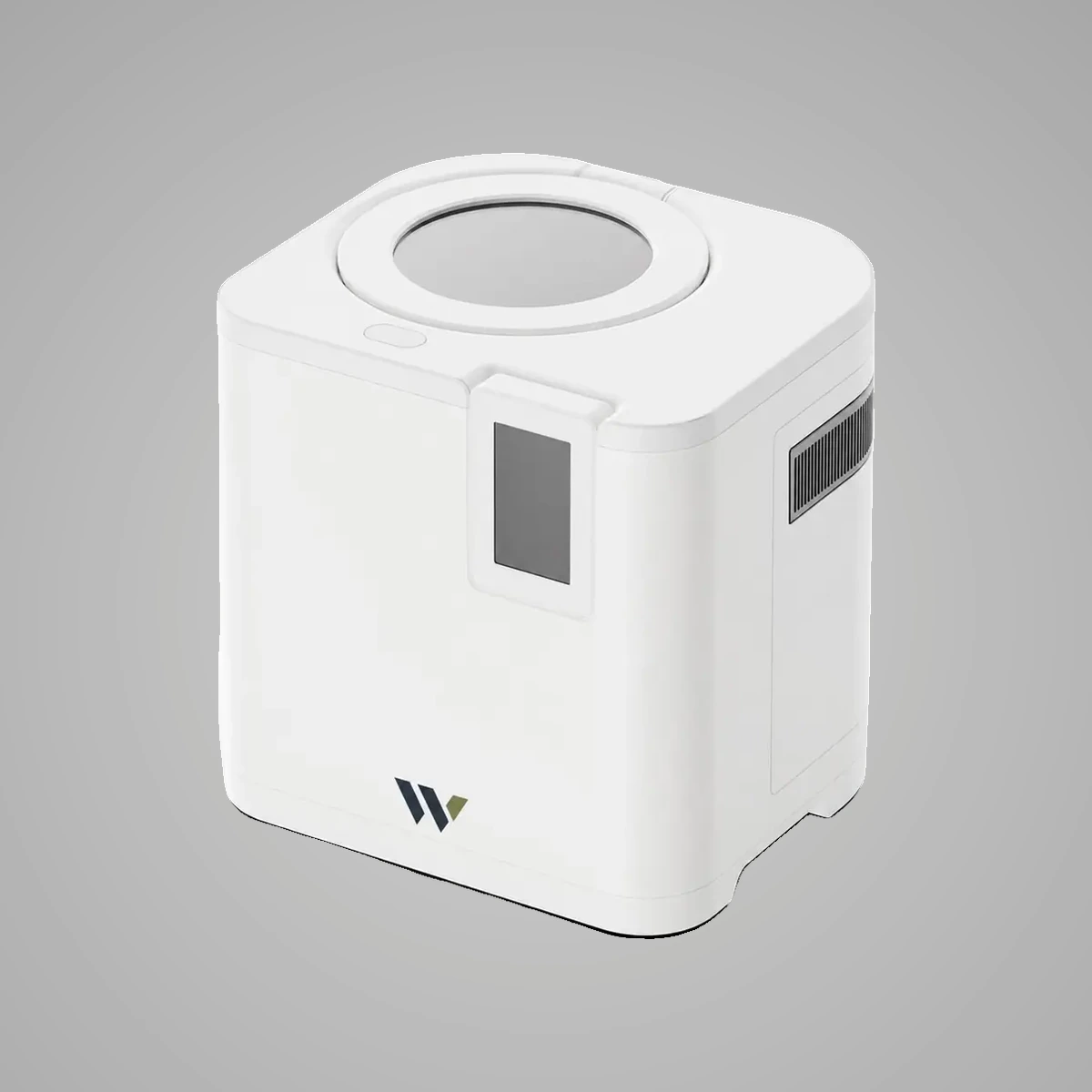
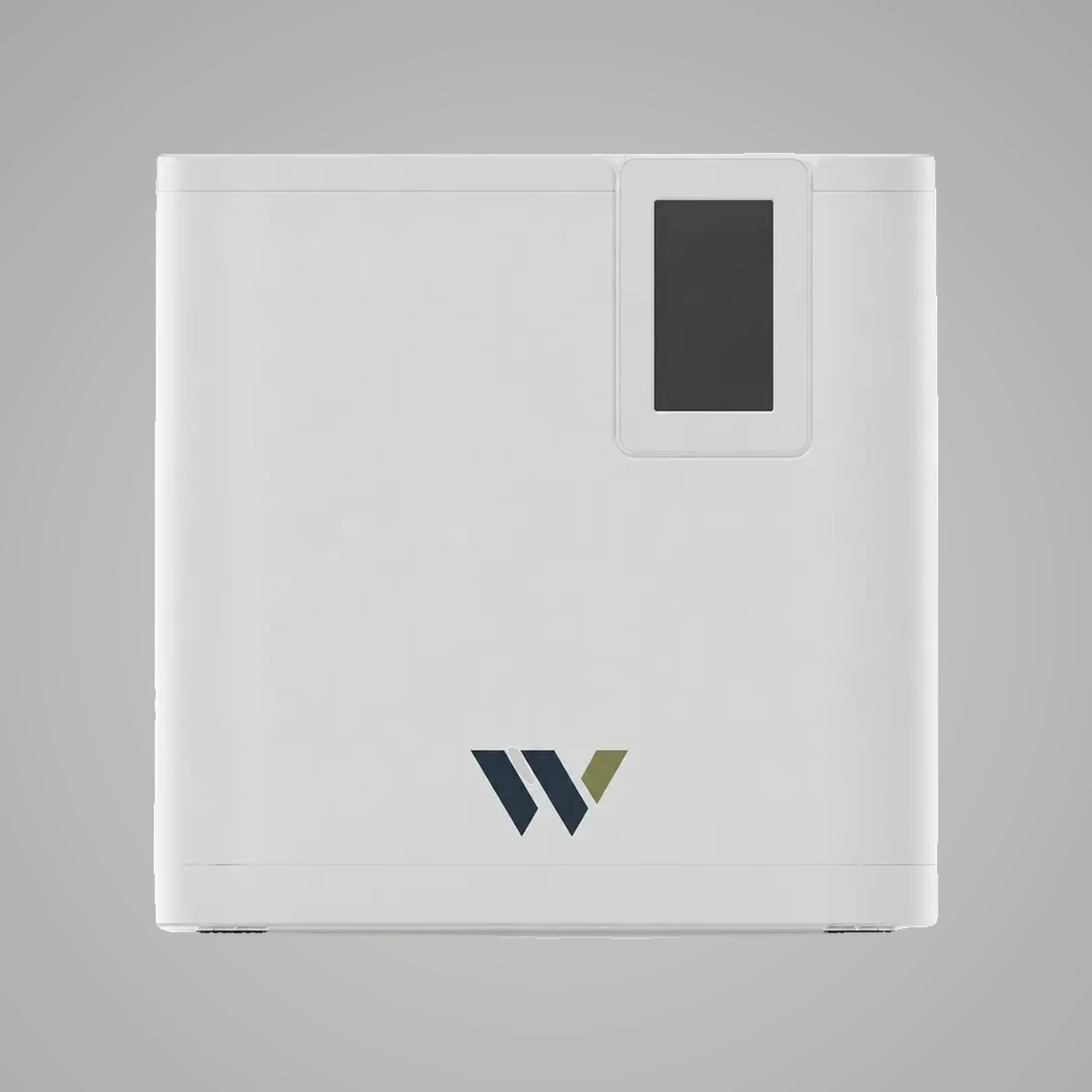
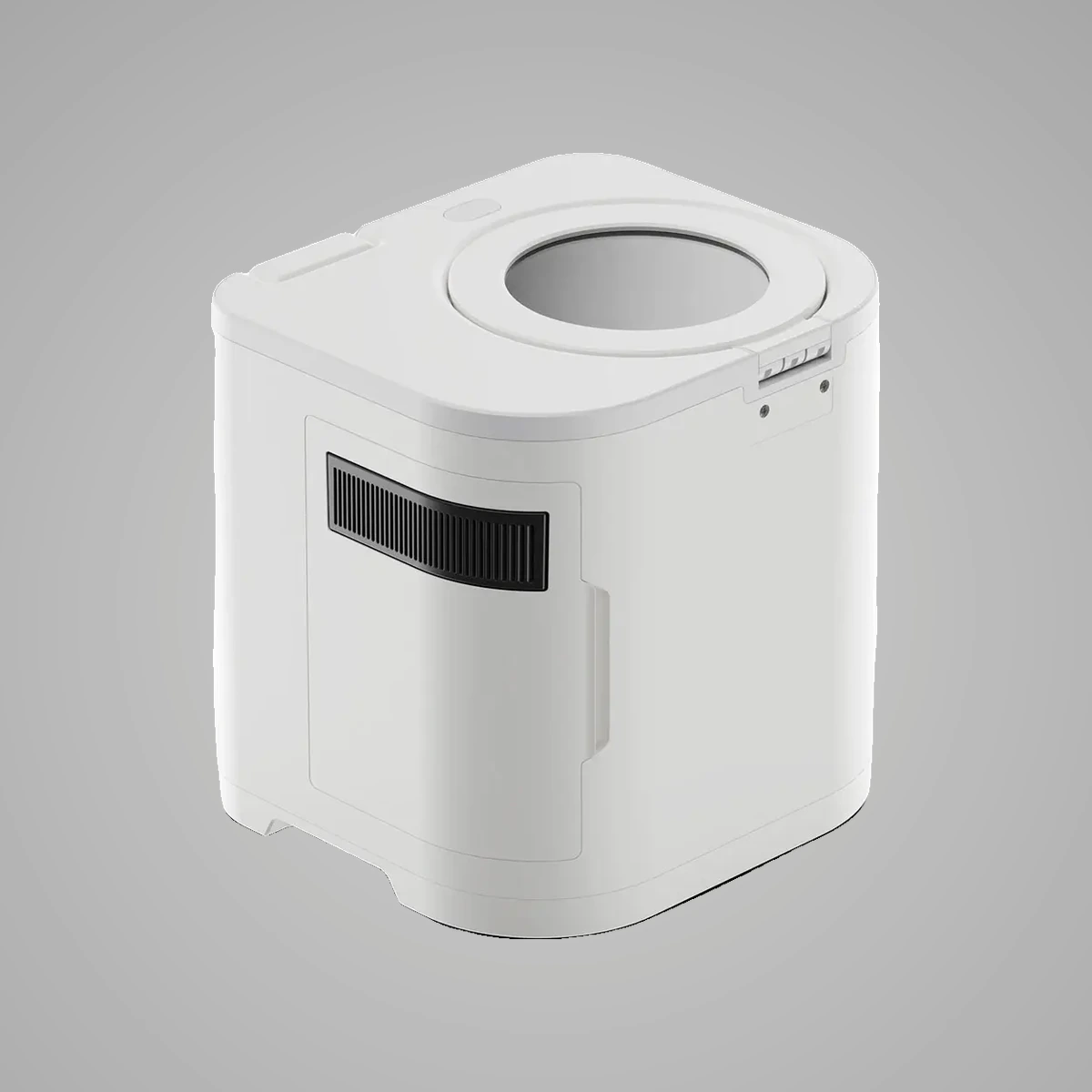
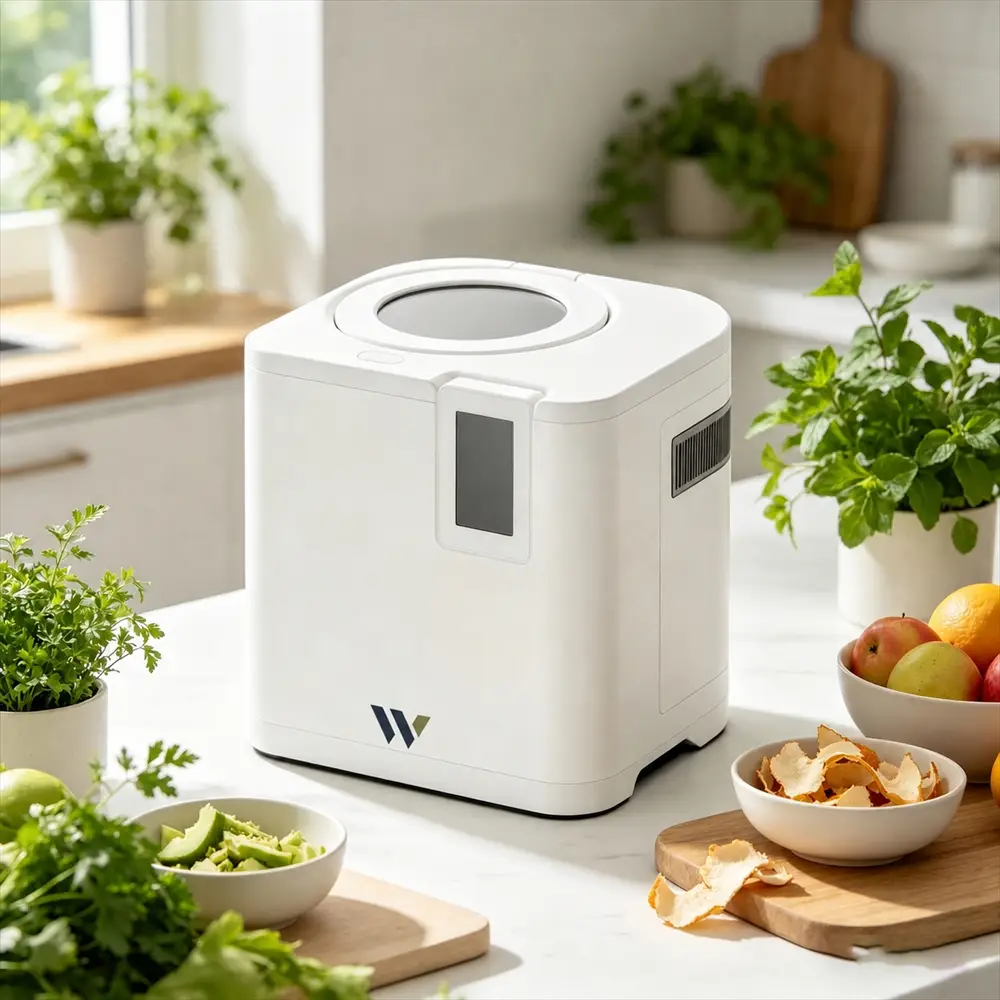
Household composter
The Wawli Element 2 is a 4.5-litre household composter with three operating modes, a front LCD display, activated-carbon filtration and a 2–9-hour processing range for indoor kitchen use.
Household composter
Wawli Element 2 combines a top-opening chamber, front display and Intelligent, Fermentation and Self-Cleaning modes in a compact countertop-scale body. The 4.5-litre figure is chamber volume, so it should be matched to the size and frequency of household loads rather than treated as daily capacity.
適用場景
Wawli Element 2 is designed for routine indoor food-scrap handling in household kitchens. Its chamber specification describes load volume rather than daily processing capacity, so it should be chosen around the size and frequency of a home's typical loads.
It fits apartments, family kitchens and compact living spaces where a small countertop-scale appliance can become part of the everyday food-scrap routine.
運作方式
Choose the mode that suits the load. The Element 2 processes suitable food scraps in an enclosed household system with a specified cycle time of 2–9 hours.
Place suitable household food scraps inside without exceeding the marked capacity.
Choose Intelligent, Fermentation or Self-Cleaning mode.
The enclosed system processes the load during the selected 2–9 hour cycle.
Remove the processed organic output after the selected mode is complete.
投入物指引
Use suitable household food scraps in manageable pieces and follow the operating guide for hard, fibrous or high-moisture materials.
Avoid liquids, hard bones, packaging, glass, metal, cooking oils and other non-organic materials.
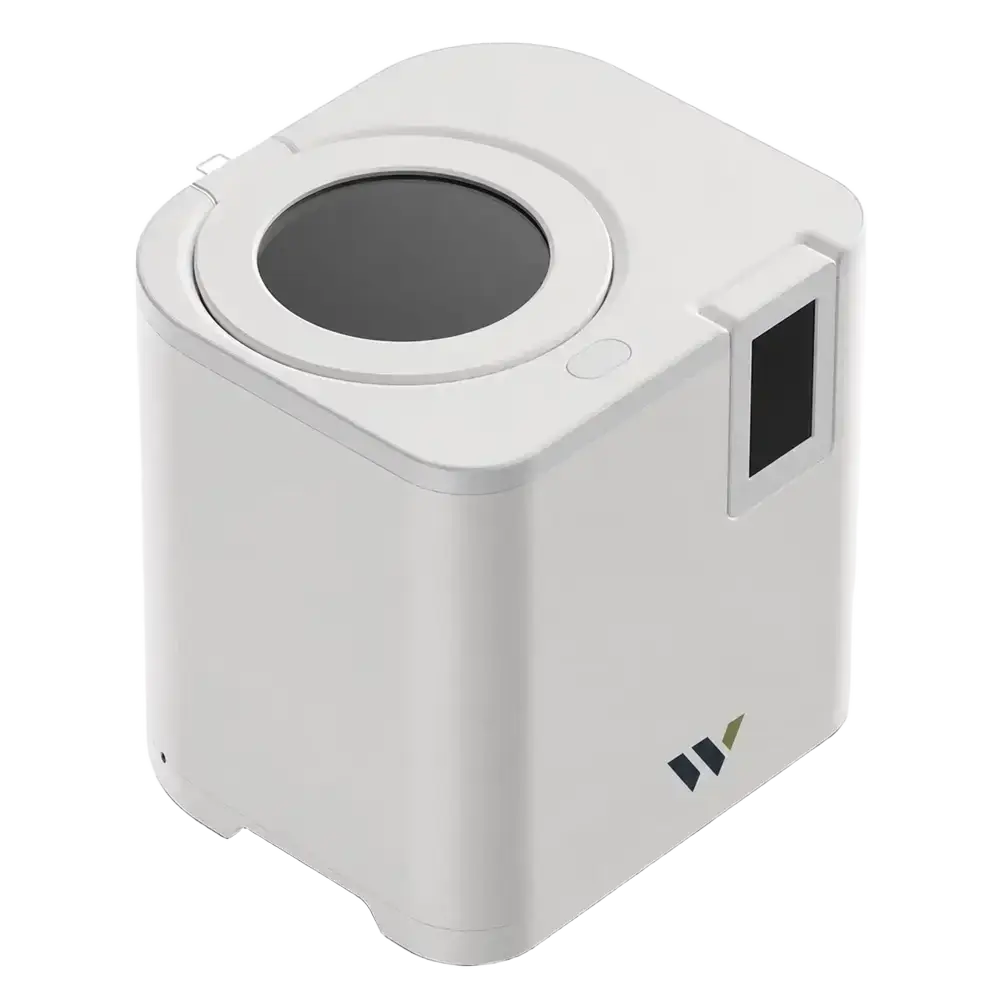
主要特色
Verified operating details, presented without unnecessary complexity.
Household-scale vessel capacity for routine food scrap loads.
Intelligent, Fermentation and Self-Cleaning modes.
Designed to reduce odours during operation.
Front-mounted LCD display for mode selection and status checks.
Specified sound level during operation.
Processing time varies by selected mode and load.
技術資料
Core capacity, operating modes, dimensions and electrical requirements for the Wawli Element 2.
產品常見問題
根據經核實的產品資訊提供清楚解答。
The 4.5-litre chamber gives a family more loading room than a smaller countertop electric composter. Judge the fit by the food scraps from a normal cooking day, not by household size alone. If the usual load fits with space left for processing, the machine can handle that routine without forcing you to split every meal into several batches.
Load a balanced amount with room for processing, then hold any remaining sorted scraps for the next cycle. This works better than packing the chamber on an unusually busy cooking day. It also helps the home composter manage occasional peaks without treating chamber volume as a daily throughput figure.
Normal leftovers with a little sauce or oil can be loaded after sorting. Drain excess soup, sauce and visible oil first, while ordinary moisture left on the food is fine. Remove plastic, glass, metal and broken utensils. That is usually the useful answer to what can be composted in this kitchen composter.
The selected mode, food type, moisture level and amount loaded all affect the running time. Use a shorter programme for a suitable everyday load and allow a longer window for heavier or wetter material. For composting at home, it is easier to choose the mode around your meal schedule than to expect every load to finish at the same time.
Routine care mainly means cleaning the removable parts, wiping the chamber area and replacing the activated carbon filter according to use. Emptying the output promptly and not leaving residue around the lid also helps with odors. The work is similar to caring for another frequently used kitchen appliance rather than maintaining an outdoor compost pile.
Let the material cool if needed, then collect it in a dry container instead of mixing it back with wet food scraps. Follow the product guide if you plan to mix it with soil or cure it further. If home use is not practical, arrange an organic waste collection route rather than treating the output as finished compost automatically.