01

Sort the organics
Keep the feed stream free from plastic, glass, metal and chemicals.

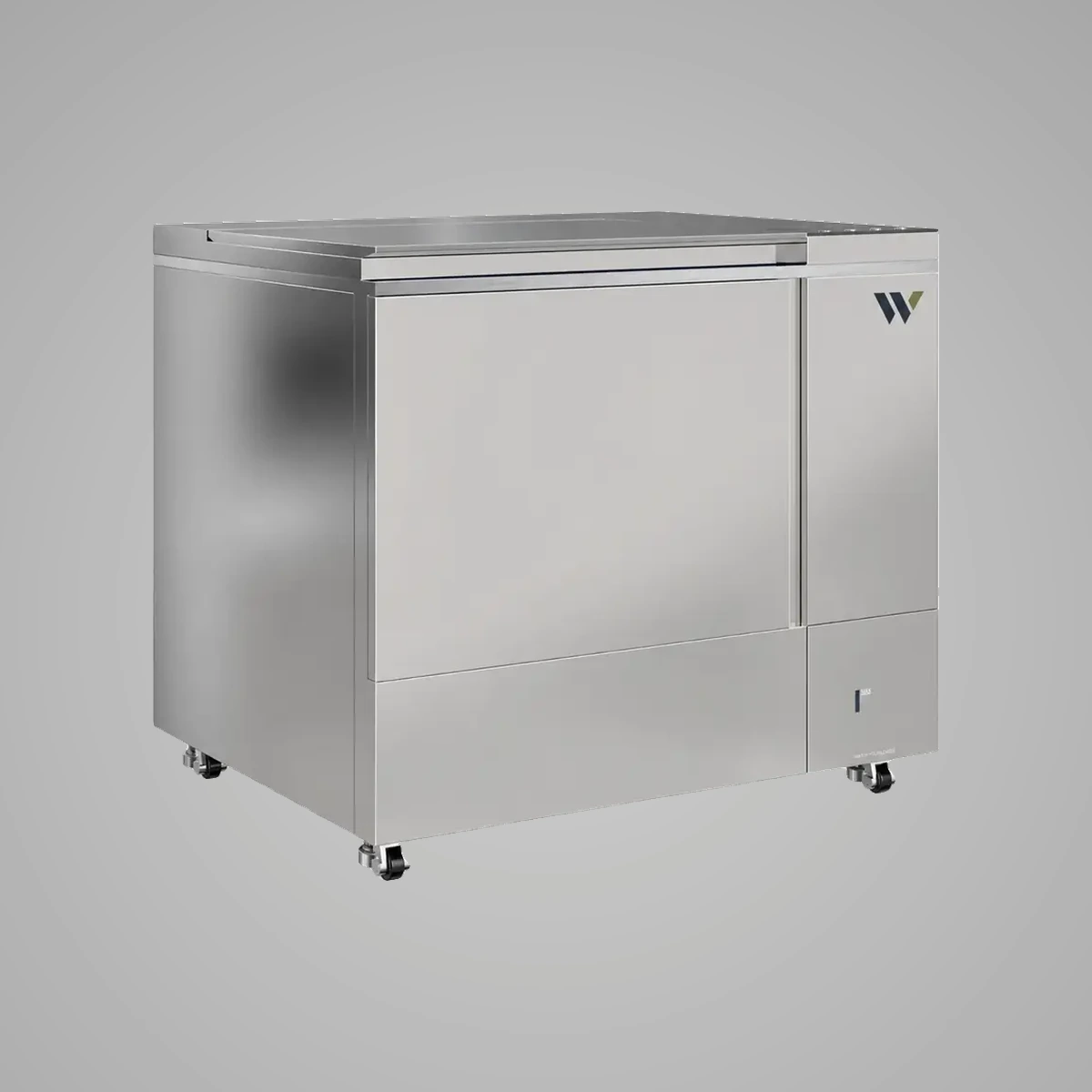
Organic waste composter
The Wawli Organic Waste Composter is a 50 kg/day commercial organic waste composter using enclosed aerobic microbial decomposition for source-separated food and biodegradable waste.
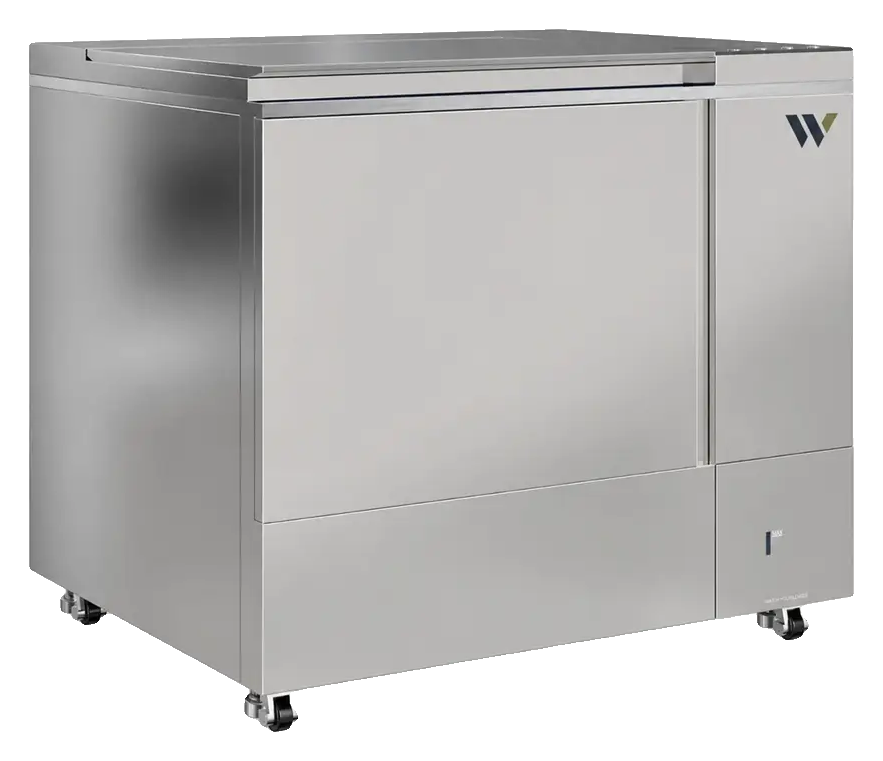
Organic waste composter
Wawli Organic Waste Composter is designed for businesses processing properly sorted biodegradable material on site. Model selection and daily operation should be based on measured feed volumes, moisture, preparation and the approved output route.
Applications
Wawli Organic Waste Composter is intended for businesses managing a consistent organic-waste stream at a verified 50 kg/day reference capacity. Its enclosed commercial format supports routine on-site handling at a scale above compact countertop equipment.
Typical applications include restaurants, hotel kitchens, canteens and smaller supermarkets where suitable food and organic waste can be separated and loaded as part of a regular operating workflow.
How it works
Microorganisms, aeration and controlled operating conditions support the breakdown of suitable organic material.
Keep the feed stream free from plastic, glass, metal and chemicals.
Add approved organic material within the verified daily reference capacity.
Aerobic microorganisms work under controlled temperature and aeration conditions.
The reference 24-hour processing time does not by itself establish compost maturity. Follow the operating guide for any further curing, assessment and approved downstream use.
Input guidance
Use source-separated fruit, vegetables, food scraps and other approved biodegradable material. Exclude packaging and all non-organic contamination.
Do not load plastic, glass, metal or other non-organic objects. Follow the operating guide for feed preparation and loading limits.
Key features
Verified operating details, presented in the same clear Wawli format.
Verified reference capacity for recurring commercial organic-waste streams.
The published process uses microorganisms with atmospheric oxygen.
The cabinet separates processing from the surrounding operator area.
Treatment can take place close to the point where organic waste is generated.
Correct input sorting remains essential for reliable operation.
Suitable for food-service, hospitality, education and retail environments.
Technical data
Verified capacity, process and input information for the Wawli Organic Waste Composter.
Product FAQ
Clear answers based on the verified product information.
Weigh the source-separated organic waste on normal and peak days, then compare both with the 50 kg daily rating. The model is easiest to operate when the routine load fits comfortably and busy days do not depend on overloading. This gives a stronger buying basis than estimating from the number of bins.
Source-separated food waste and other suitable biodegradable material are the main feed. Remove packaging, glass, metal and obvious foreign objects, then drain excessive free liquid. What can be composted depends on keeping the stream clean, not on treating mixed general waste as organic material.
Load at a fixed time, allow the reference 24-hour process to run, then schedule output removal and cleaning into the next shift. More even feed and moisture make the routine easier to repeat. Staff do not need to watch the compost machine continuously once the operating checks are complete.
Daily tasks cover sorting, loading, status checks, output removal and light cleaning. Scheduled tasks cover deeper cleaning and the service points listed in the product guide. A simple log lets the site share these duties across existing shifts and keeps food waste management consistent.
Wet material sitting too long, excessive free liquid, overloading and residue around contact areas can all make odors harder to manage. Prompt processing, balanced loads and scheduled cleaning address those day-to-day causes. The installation plan should also account for ventilation or odor control appropriate to the site.
Set aside dry containers and decide whether the output will be further cured, used according to the product guide or collected by an organic waste service. Treat it as processed organic material until its next route is confirmed. That route connects on-site treatment with a practical food waste recycling plan.