01

Sort and load
Remove non-organic items, then place suitable raw or cooked food scraps into the chamber.

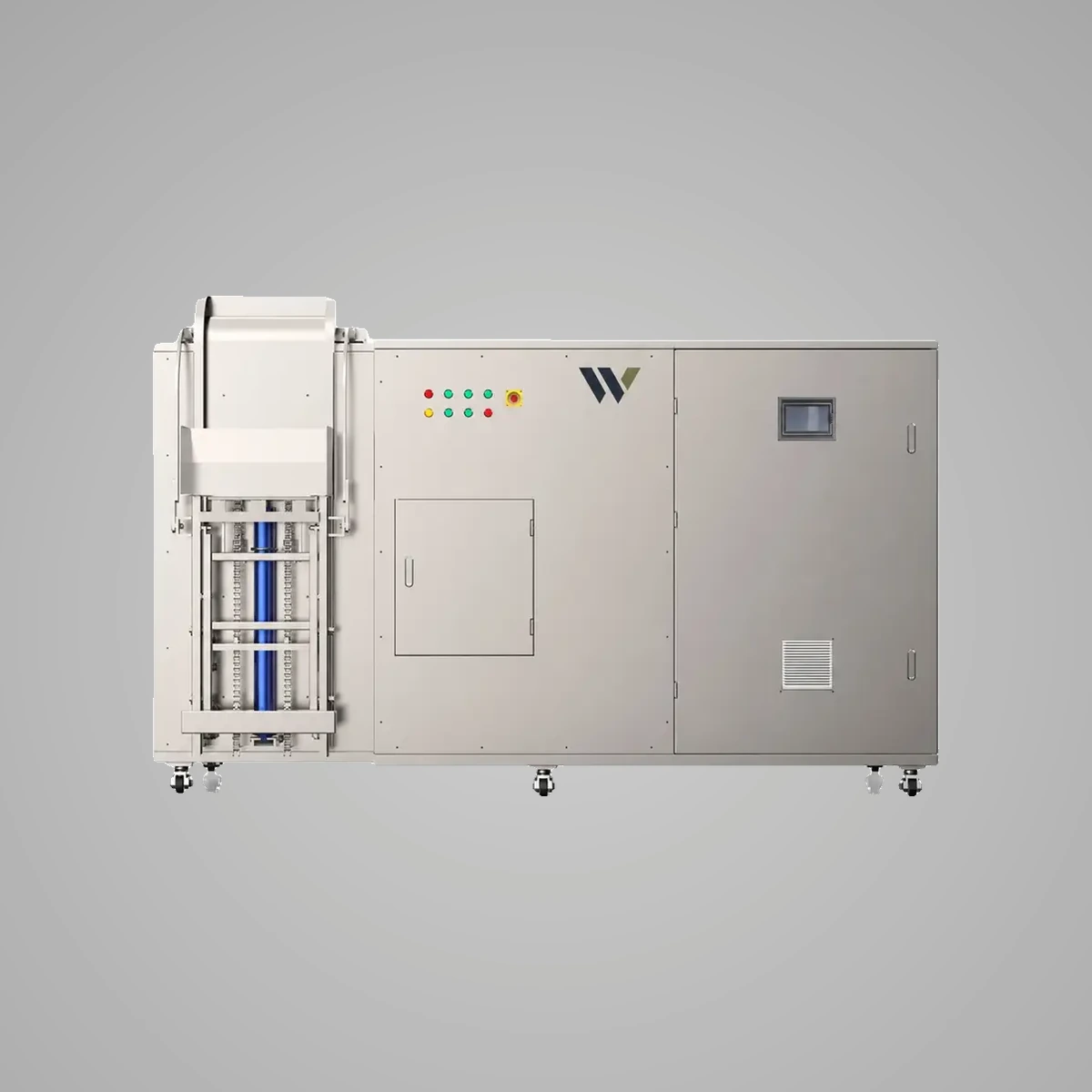
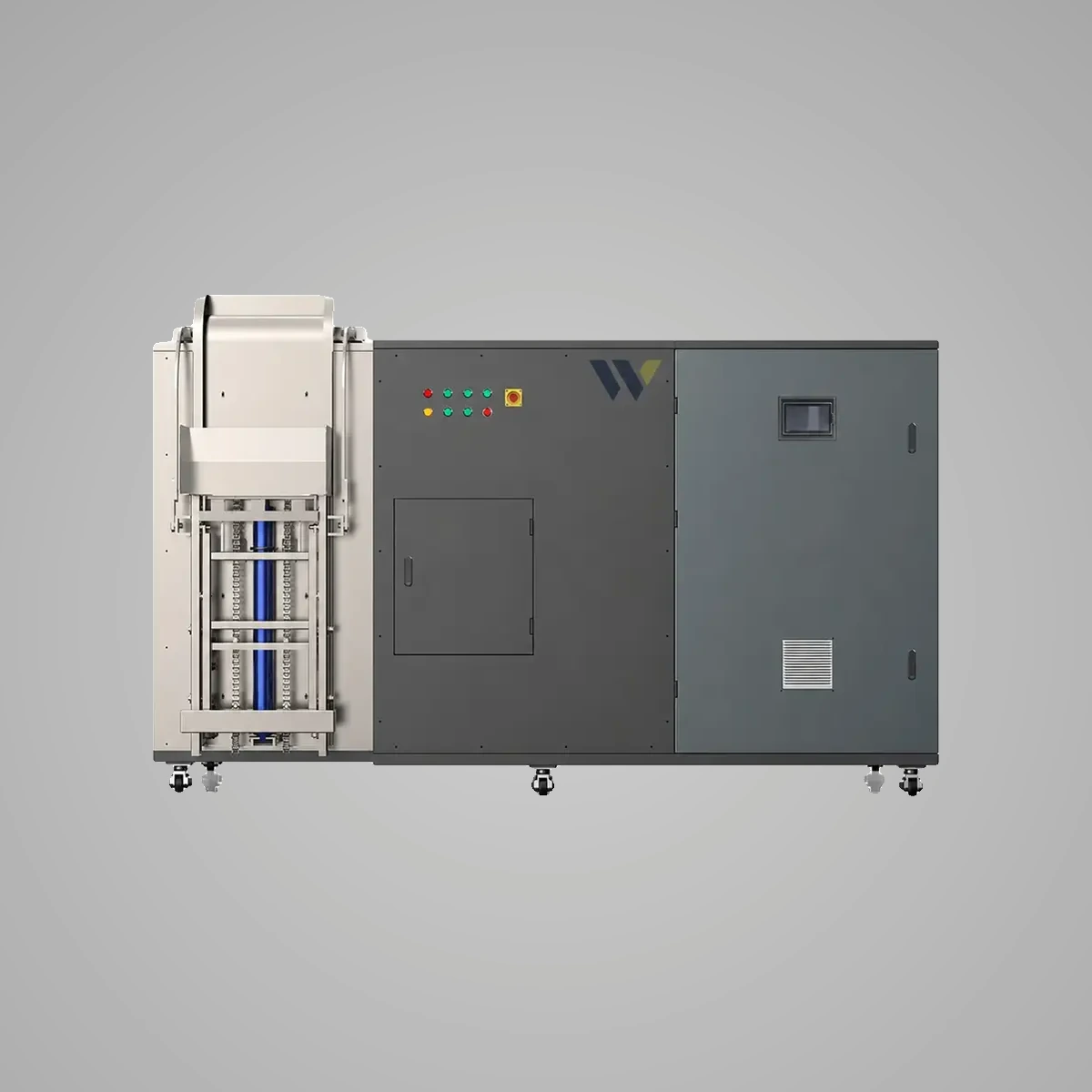
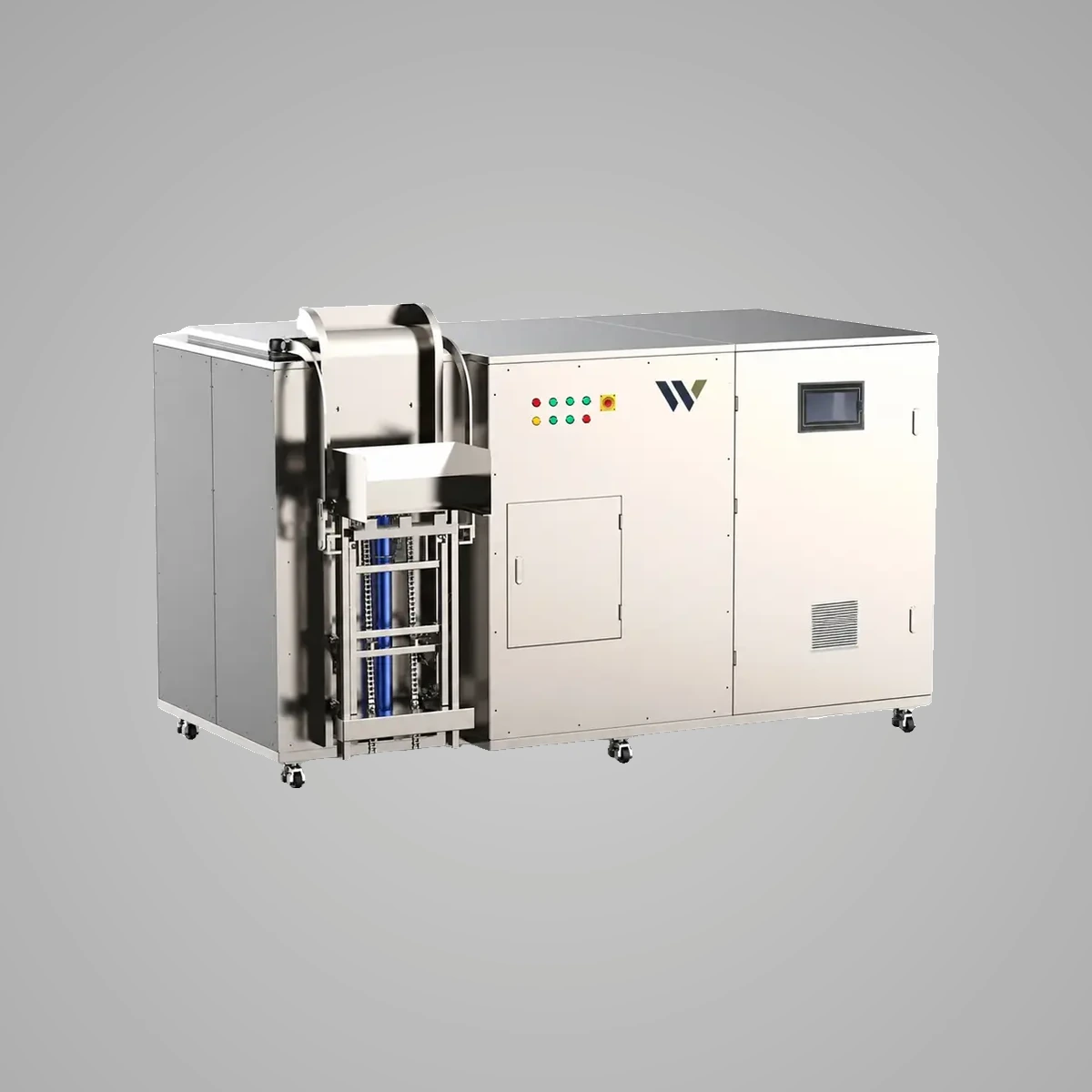
Industrial composter
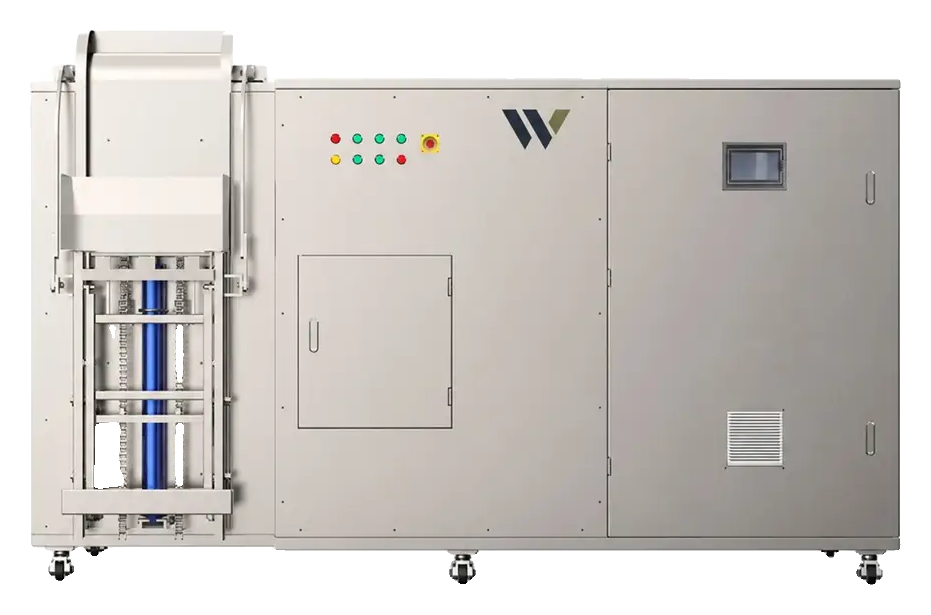
The Wawli Matrix 200 is a 200 kg/day industrial composter for source-separated food and organic waste, using an enclosed 12–24-hour microbial process with automatic control and configured deodorization.
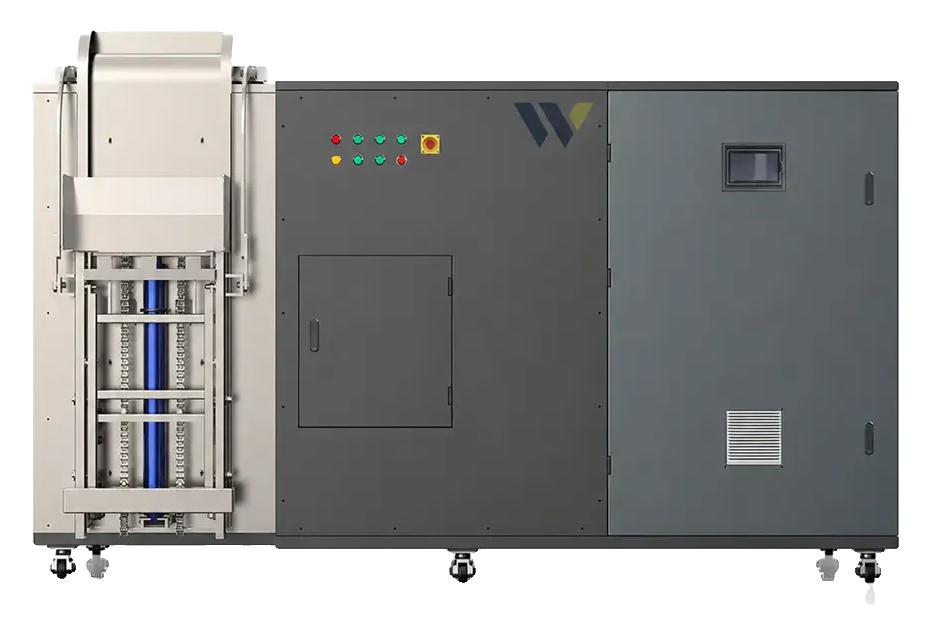
Industrial composter
Wawli Matrix 200 is designed for sites managing larger, recurring organic-waste streams. The enclosed industrial composter combines microbial processing and integrated material handling, with model selection based on the verified 200 kg/day capacity and actual site loading data.
Applications
Wawli Matrix 200 is an industrial composter with a verified 200 kg/day reference processing capacity. It is positioned for demanding facilities that need more capacity and material handling than ordinary commercial units while remaining below the larger Matrix models.
Credible applications include larger hotels, institutional kitchens, central catering operations and busy supermarkets with steady, source-separated food-waste streams generated throughout daily operations.
How it works
Microbial decomposition works inside the enclosed chamber, supported by automatic control and a UV plus activated-carbon deodorization system.
Remove non-organic items, then place suitable raw or cooked food scraps into the chamber.
Use the front control system to begin the configured automatic processing cycle.
The enclosed system supports microbial decomposition over a reference period of 12–24 hours.
Collect the processed organic output and follow the operating guide for handling and use. The processing cycle does not establish compost maturity or fertilizer quality; further curing or testing may be needed before soil use.
Input guidance
The chamber can accept suitable raw and cooked food scraps. Keep the feed stream free from packaging and other non-organic contaminants.
Do not load plastic, glass, metal or other non-organic objects. Follow the operating guide for feed preparation and loading limits.
Key features
Verified operating details, presented in the same clear Wawli format.
Reference daily capacity for structured commercial food-waste streams.
Enclosed processing chamber within a wheeled commercial cabinet.
Specified processing window for the microbial decomposition method.
Specified food-waste volume reduction under suitable operating conditions.
UV and activated-carbon systems support odour management.
Intelligent control includes automatic fault-alarm functionality.
Technical data
Verified capacity, chamber, dimensions, processing method and operating requirements for the Wawli Matrix 200.
Product FAQ
Clear answers based on the verified product information.
Weigh at least a normal week of food waste and mark the busiest day, then compare both figures with Wawli Matrix 200's 200 kg per day rating. Also note when the waste appears, since one large closing-time load creates a different workflow from several smaller loads. This gives the project useful food waste management data without relying on bin volume.
Start Wawli Matrix 200's plan with source sorting and removal of plastic, glass, metal and other contaminants. Drain excess free liquid. Add shredding, dewatering or conveying only when the organic waste particle size, moisture or loading route calls for it. A simpler feed line is often easier for staff to keep consistent.
Choose a fixed loading time for Wawli Matrix 200, allow for the 12 to 24 hours reference cycle, then put unloading and cleaning into the next suitable shift. Provide a small holding area for sorted incoming material if it arrives before the chamber is ready. This keeps the compost machine on a repeatable schedule without delaying kitchen or collection work.
Confirm Wawli Matrix 200's power, drainage, ventilation or odor control, loading access, service clearance and output storage before the final position is marked. Check that bins can reach the loading point and leave again without crossing the clean output route. That movement test is more useful than approving the composting equipment from floor dimensions alone.
The team operating Wawli Matrix 200 sorts and loads the feed, checks the control status, removes output and cleans material-contact areas. Scheduled inspection goes into a weekly or service log. One trained person can own each check without standing beside the machine throughout processing, so the tasks can fit existing industrial composting shifts.
Estimate Wawli Matrix 200's output containers and holding space from actual operation, then confirm whether the material will be further cured, used according to project guidance or collected for another treatment step. Use only the pretreatment and handling stages that the feed actually needs. A defined destination keeps food waste recycling from becoming a storage problem after processing.