01

Sort and load
Remove non-organic items, then place suitable raw or cooked food scraps into the chamber.

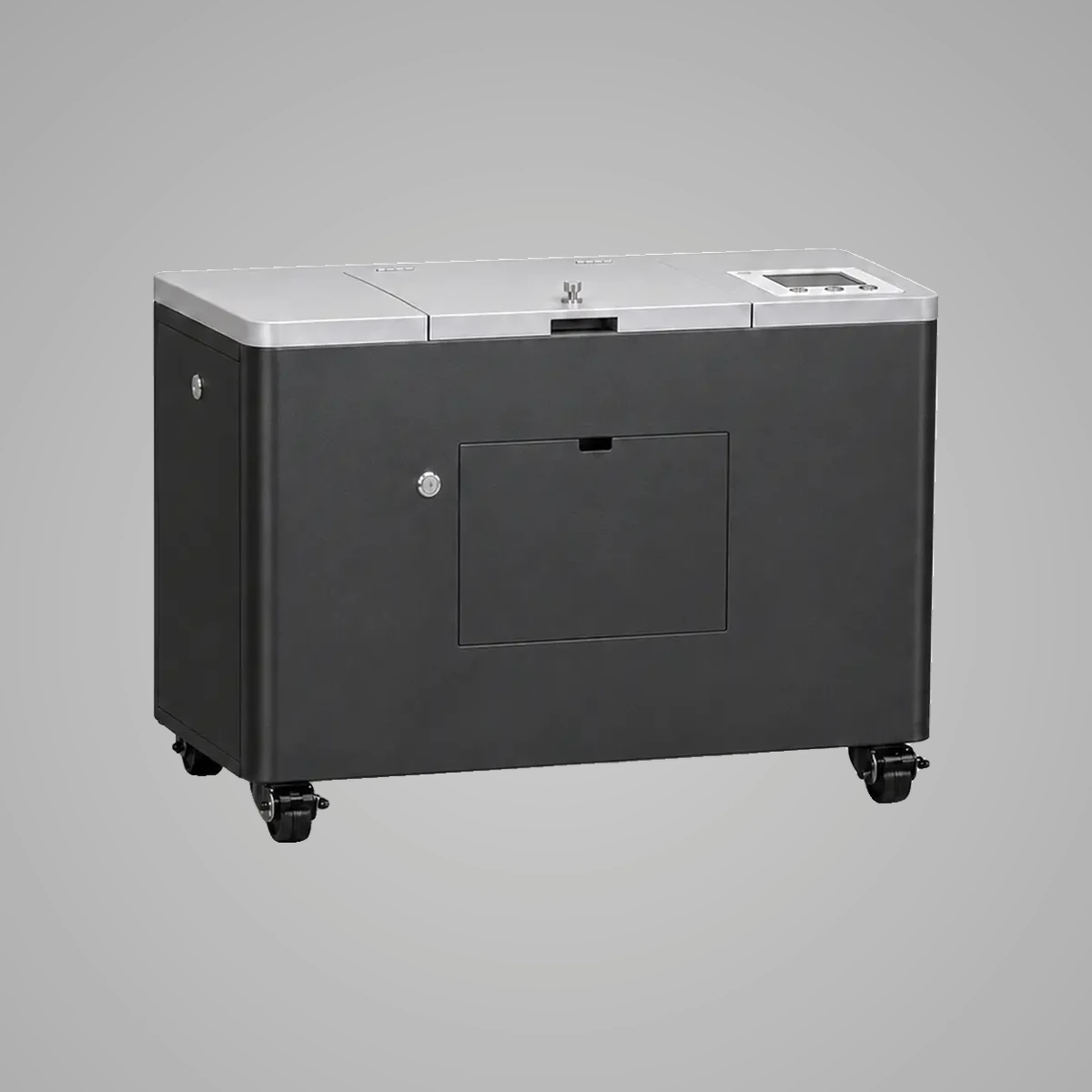
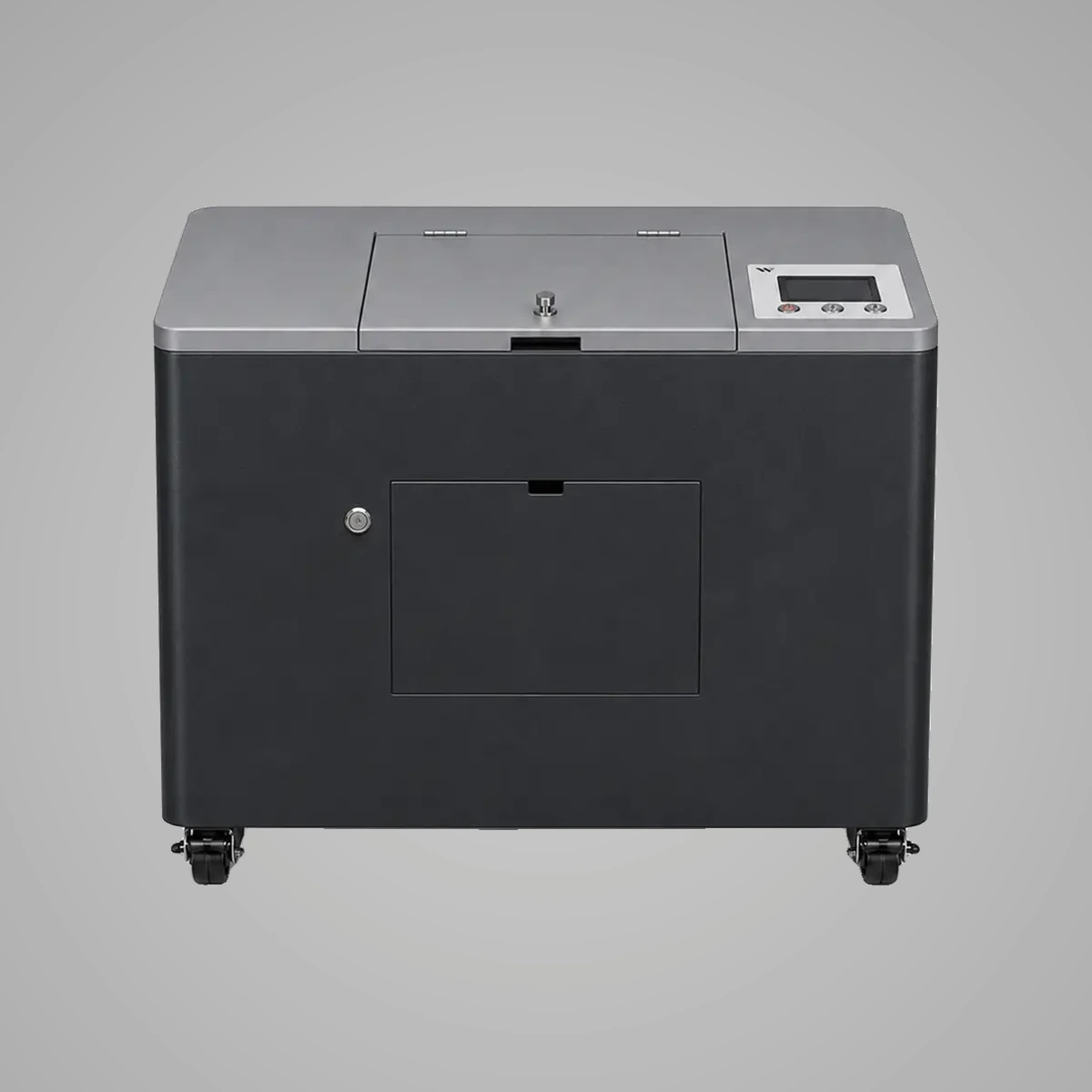
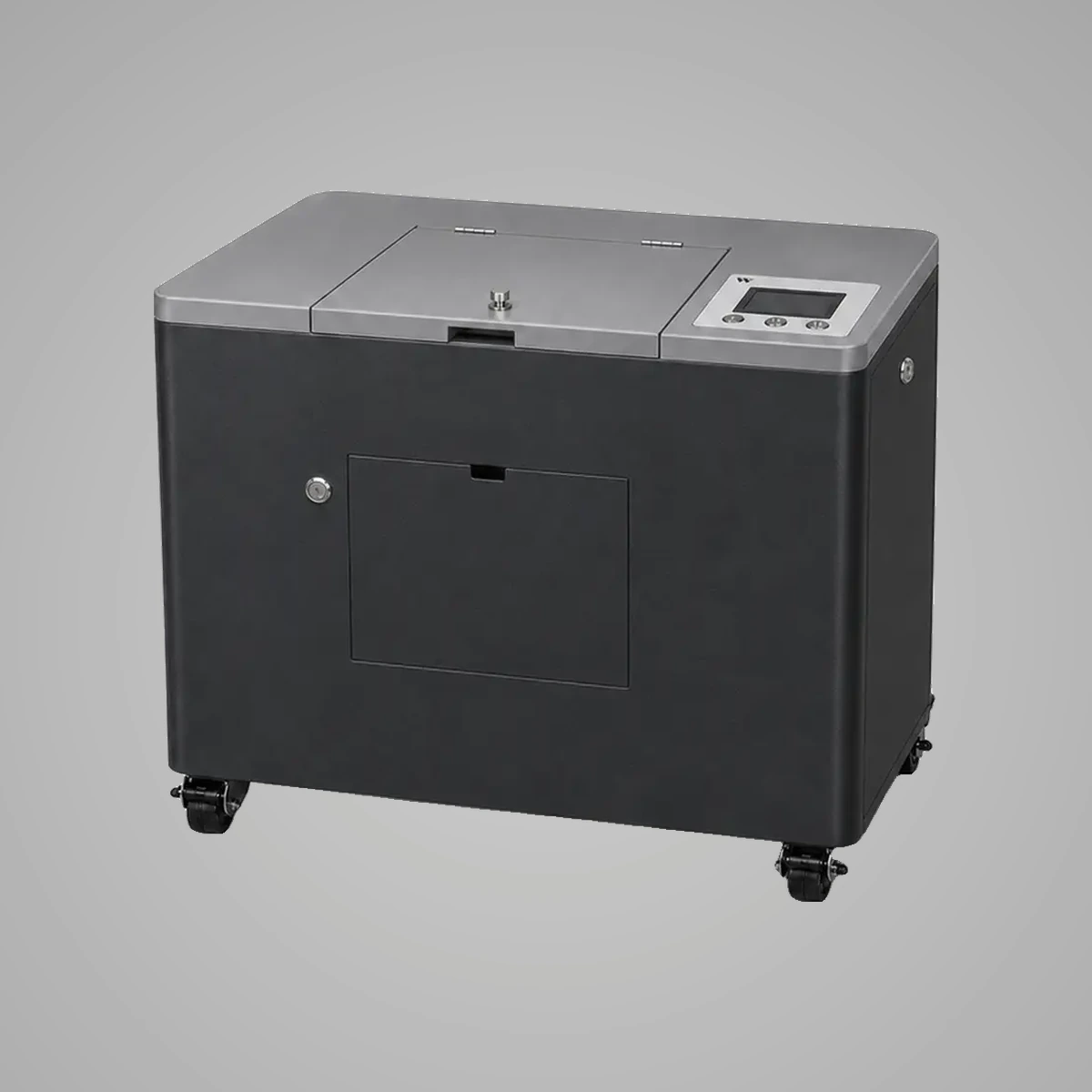
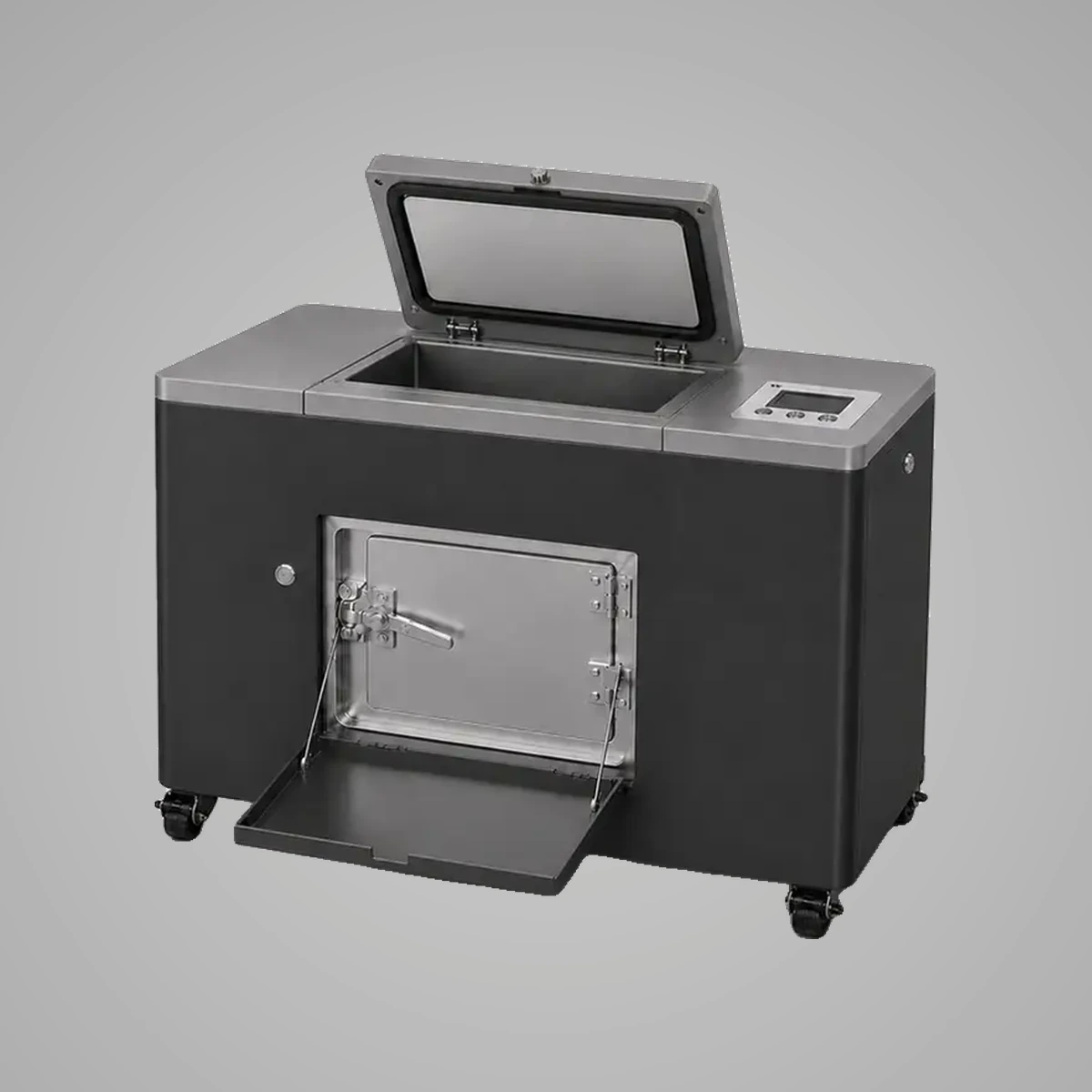
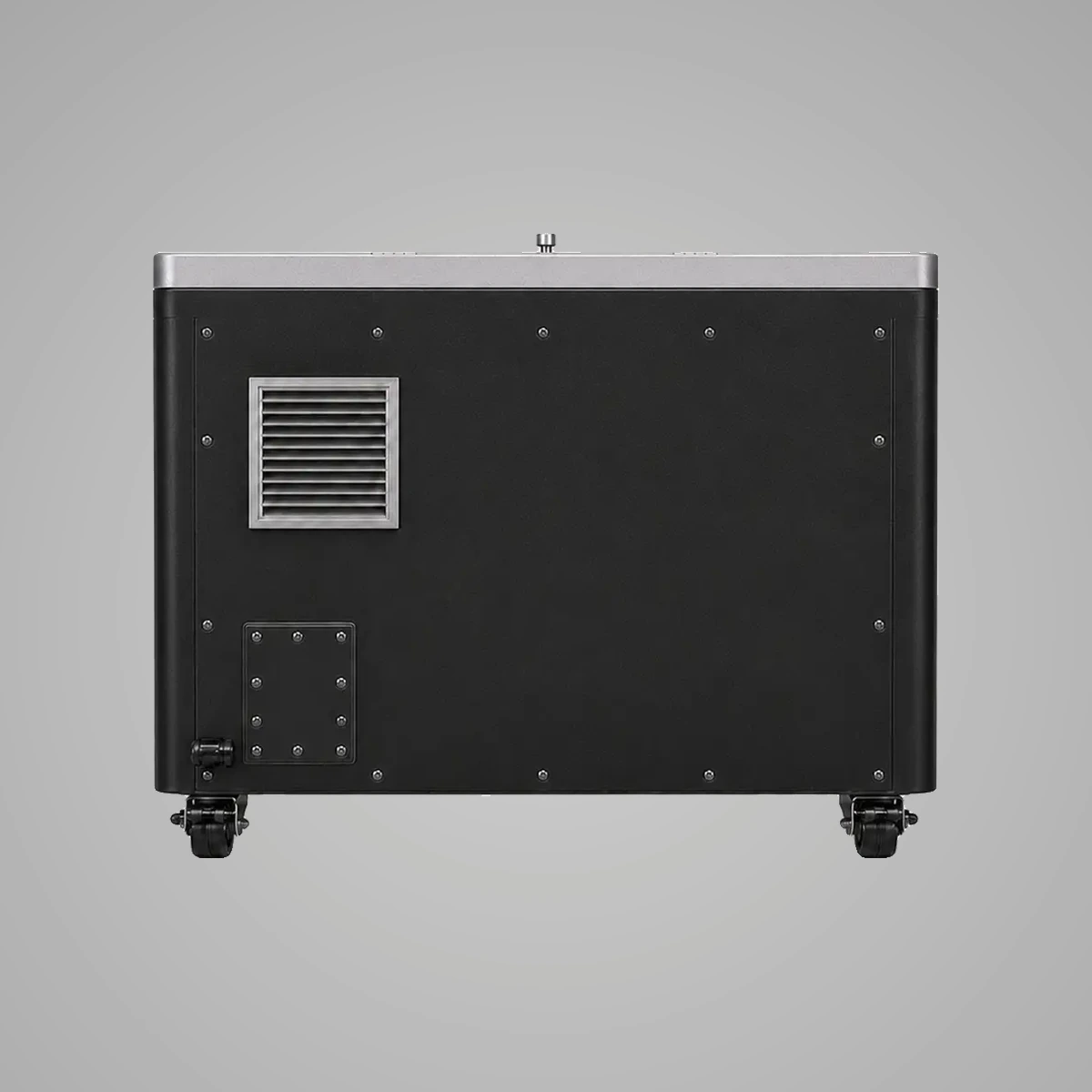
Commercial composter
The Wawli Vector 30 is a 30 kg/day commercial composter for source-separated food waste, using an enclosed 12–24-hour microbial process with automatic control and odour treatment.
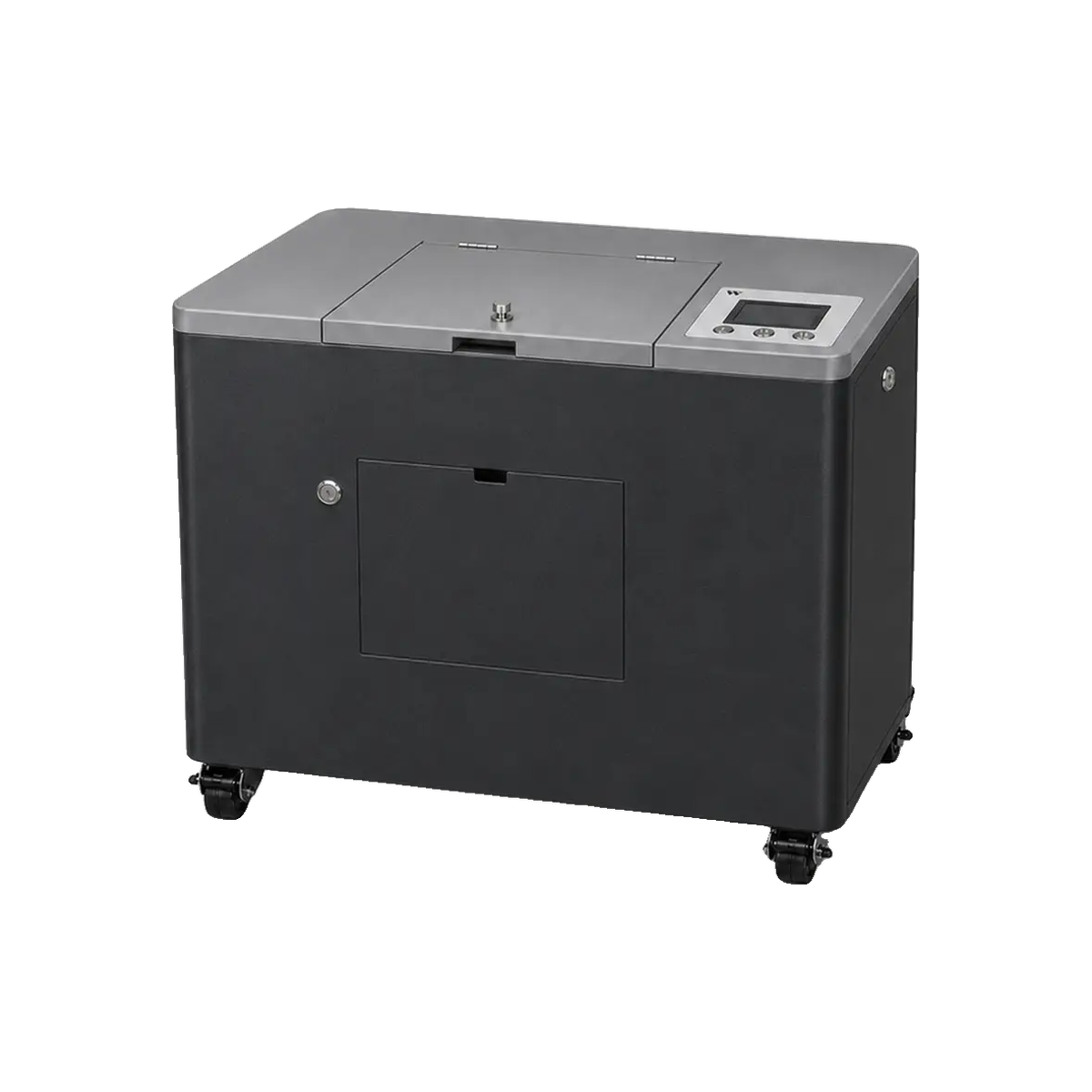
Commercial composter
Wawli Vector 30 is designed for recurring food-waste loads in food-service and commercial settings. Its 110-litre chamber supports a controlled microbial process when suitable material is sorted, prepared and loaded within the rated 30 kg/day capacity.
Applications
Wawli Vector 30 is a commercial composter with a verified 30 kg/day reference capacity for regular food-service waste. It is sized above the smallest Vector models for sites with a steadier daily stream, while remaining compact enough for commercial kitchen workflows.
Suitable applications include restaurants, hotel kitchens, staff canteens and catering operations that can maintain source separation and routine daily loading.
How it works
Microbial decomposition works inside the enclosed chamber, supported by automatic control and a UV plus activated-carbon deodorization system.
Remove non-organic items, then place suitable raw or cooked food scraps into the chamber.
Use the front control system to begin the configured automatic processing cycle.
The enclosed system supports microbial decomposition over a reference period of 12–24 hours.
Collect the processed organic output and follow the operating guide for handling and use. The 12–24-hour processing cycle does not by itself establish compost maturity or fertilizer quality; further curing, testing or handling may be needed before the intended use.
Input guidance
The chamber can accept suitable raw and cooked food scraps. Keep the feed stream free from packaging and other non-organic contaminants.
Do not load plastic, glass, metal or other non-organic objects. Follow the operating guide for feed preparation and loading limits.
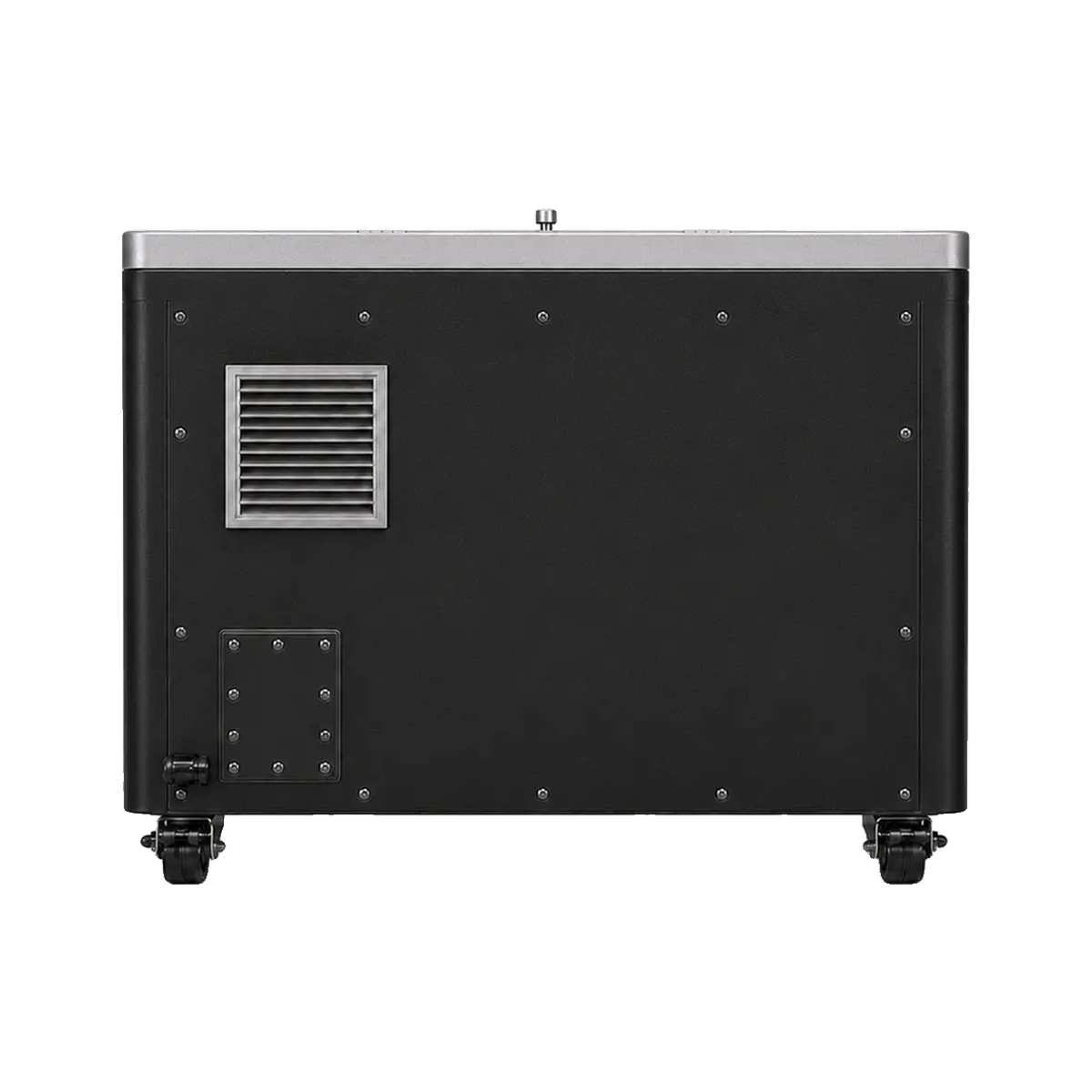
Key features
Verified operating details, presented in the same clear Wawli format.
Reference daily capacity for restaurants, hotels, canteens and similar operations.
Enclosed processing chamber within a wheeled commercial cabinet.
Specified processing window for the microbial decomposition method.
Specified food-waste volume reduction under suitable operating conditions.
UV and activated-carbon systems support odour management.
Intelligent control includes automatic fault-alarm functionality.
Technical data
Verified capacity, chamber, dimensions, processing method and operating requirements for the Wawli Vector 30.
Product FAQ
Clear answers based on the verified product information.
Wawli Vector 30 is rated for 30 kg per day. Weigh food waste across normal days and the busiest service day, then compare both figures with the rating. Include the busiest service day so the model has practical working headroom. This gives a better buying basis than estimating from meal numbers or bin size alone.
The 110-litre figure describes the available processing space, while 30 kg per day is the rated daily weight. Use measured waste weight to choose the model and use chamber volume to plan how material will be loaded. They answer different questions and should not be converted into one another.
Before loading Wawli Vector 30, remove packaging, glass, metal, broken utensils and other obvious foreign objects. Drain excess soup, sauce and visible oil, but normal moisture left on meal scraps is acceptable. A simple sorting point near the kitchen makes the composting machine easier to load and reduces cleanup later.
The listed processing time for Wawli Vector 30 is 12 to 24 hours. Assign sorting and loading near the end of service, then plan unloading around the next shift. Food type, moisture and the amount loaded can change the actual time, so the schedule should include some flexibility rather than promise an identical finish time every day.
Around Wawli Vector 30, process scraps promptly, keep the moisture level reasonable, avoid overloading and wipe the loading and unloading areas on schedule. Check odor-control parts according to the service routine. These small tasks keep commercial composting easier to manage than allowing wet scraps or residue to sit around the machine.
Collect Wawli Vector 30's output in a dry, clearly labelled container and decide the next route before operation begins. Depending on the project, that may be further curing, use according to the product guide or collection by an organic waste service. A defined route is what turns on-site processing into a workable food waste recycling routine.