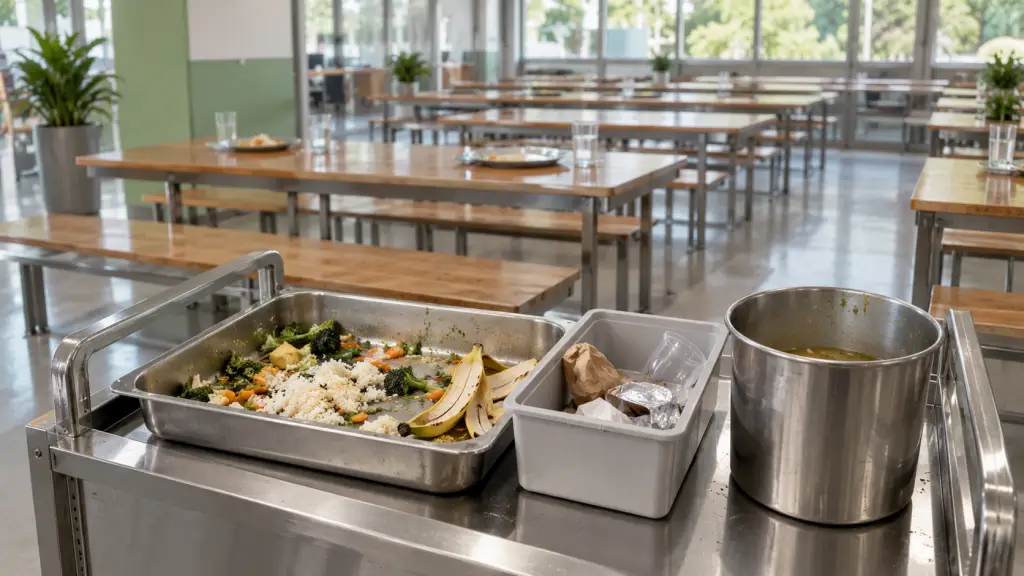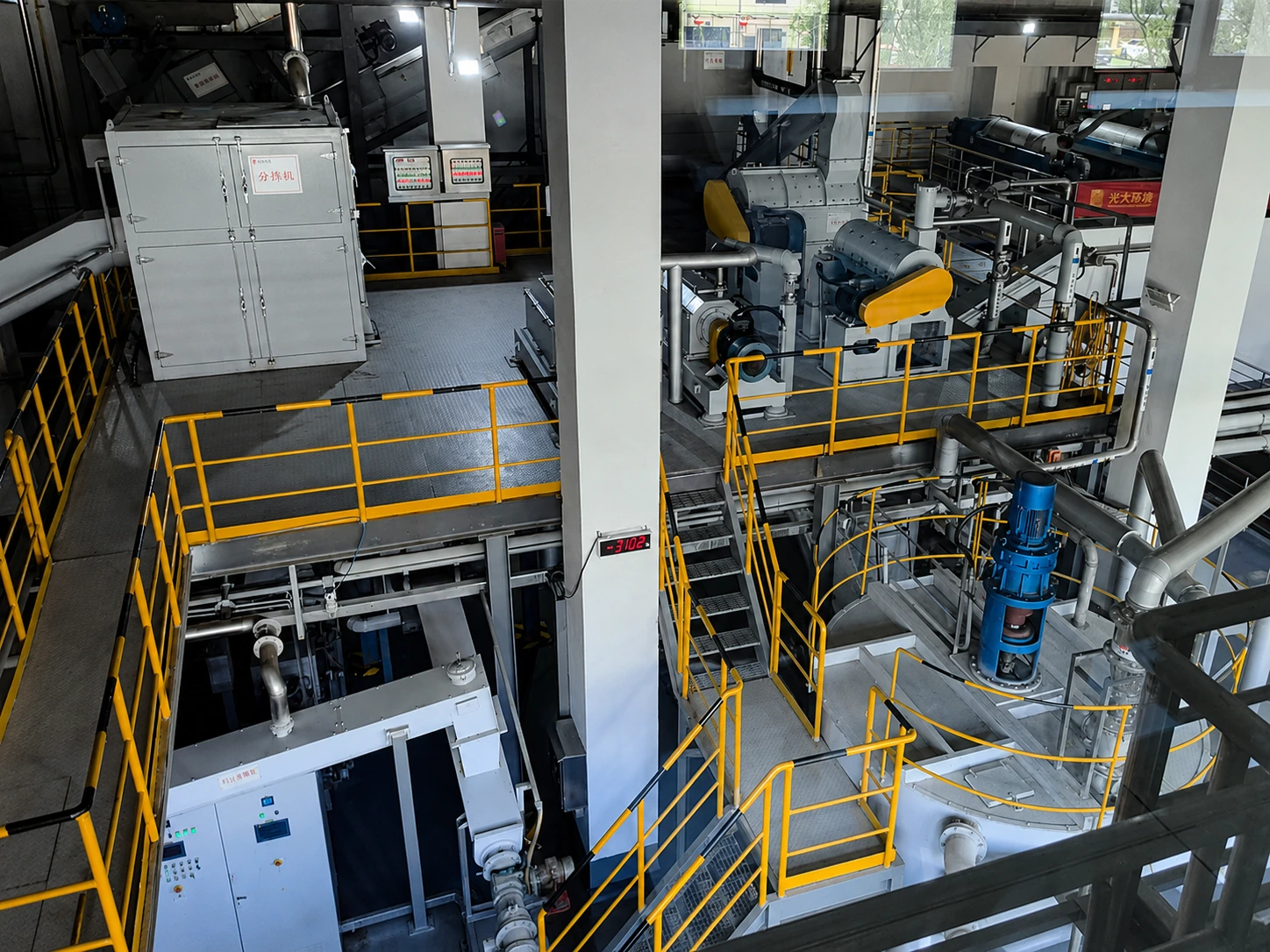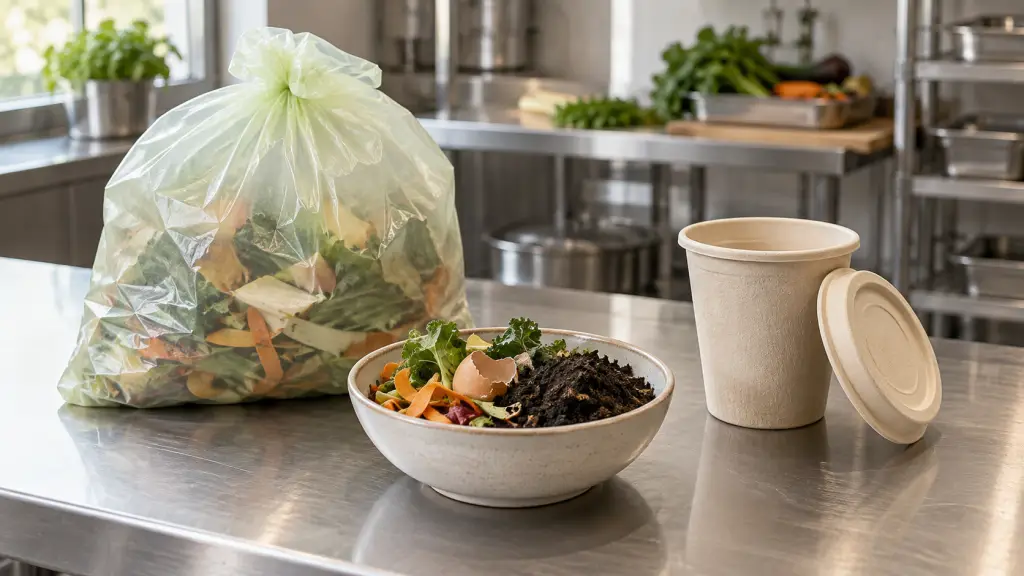
A machine can shrink the pile of food scraps behind a restaurant while the monthly collection invoice stays exactly the same. That is the question to settle before investing in on-site treatment: will the way your kitchen handles waste change enough to justify the cost?
There is no universal answer. A composter can reduce the amount of wet material a kitchen has to store and move, but it also needs space, electricity, staff time and a plan for the processed output. A smaller volume of waste does not automatically produce a smaller collection bill.
Here is how to make a useful comparison before you buy.
Start with the waste you can prevent
Before comparing equipment with collection, separate avoidable food waste from unavoidable preparation scraps and plate waste. Better purchasing, storage and portion planning may reduce what enters either system. Safe surplus food may have a donation route. The U.S. EPA's Wasted Food Scale places prevention, donation and upcycling ahead of treatment.
Weigh the remaining food scraps for at least a representative working week. Include a busy service day, a quiet day and any event or delivery pattern that changes the load. Record what the scraps contain and how much packaging or cutlery staff have to remove. Meal counts and bin size are useful context, but neither tells you the actual kilograms a machine would need to process.
What does collection really cost today?
Commercial food waste disposal is partly a service-contract decision. Look beyond the headline fee and write down:
- The monthly charge for food-waste collection and disposal.
- Any charge tied to bin size, weight, extra pickups or contamination.
- Staff time spent sorting, moving and cleaning bins.
- Space needed for bins between collections.
Then ask the collector a direct question: If our food-waste volume falls, what part of this bill would actually change? A flat-rate contract may stay the same until the service is renegotiated. If one smaller bin or one fewer pickup is possible, get that revised price in writing. Do not count a saving that the contractor has not offered.
What would on-site processing add?
An on-site food waste composter has a purchase price, but the purchase price is only one part of the decision. Ask for a project-specific estimate covering delivery, installation, electrical work, ventilation or drainage where required, training and service. Add the expected cost of electricity, consumables, cleaning and maintenance.
Map the daily routine as well. Who separates unsuitable materials? Who loads the machine, checks it, removes the output and cleans the work area? Automation can make a routine easier to repeat; it does not remove the need for an operator.
Finally, identify the output destination. A machine's processing cycle does not by itself prove that the discharged material is mature compost ready for soil use. Depending on the system and intended use, the material may need further curing, testing or collection through another organics route. Wawli's process guide explains why output handling belongs in the plan from the start.
A simple break-even test
Build two annual totals using your own quotes and operating records:
Current route: collection and disposal charges + related handling costs.
Proposed route: any collection service you will still need + electricity + consumables + maintenance + staff time for sorting, loading, cleaning and unloading + output handling + an annual share of the installed equipment cost.
For that last item, divide the full installed cost by the number of years you are using for your internal purchase comparison. Keep financing, tax treatment and residual value in a separate line if they matter to your business. This is a screening calculation, not a promised payback period.
Run it once for a normal week and once for a peak week. If the result depends on never having a busy day, never needing repairs or eliminating every pickup, the case needs another look. Also compare the proposed system with a revised collection quote; you may find that improved sorting and a different pickup schedule solve part of the problem without new equipment.
When might each route make sense?
Collection may be the better fit when food-scrap volumes are small or irregular, a reliable organics service is available, space and utilities are limited, or the kitchen has no workable destination for processed material.
On-site processing may be worth evaluating when a kitchen produces a steady, source-separated stream; wet-waste storage or collection frequency is a recurring problem; staff can follow a clear operating routine; and the revised collection arrangement produces a measurable benefit. Some sites will still keep a collector for peak loads, unsuitable materials and the processed output.
The most useful answer is often a combined system, not a promise that one machine makes the waste contractor disappear.
Match the machine to the measured load
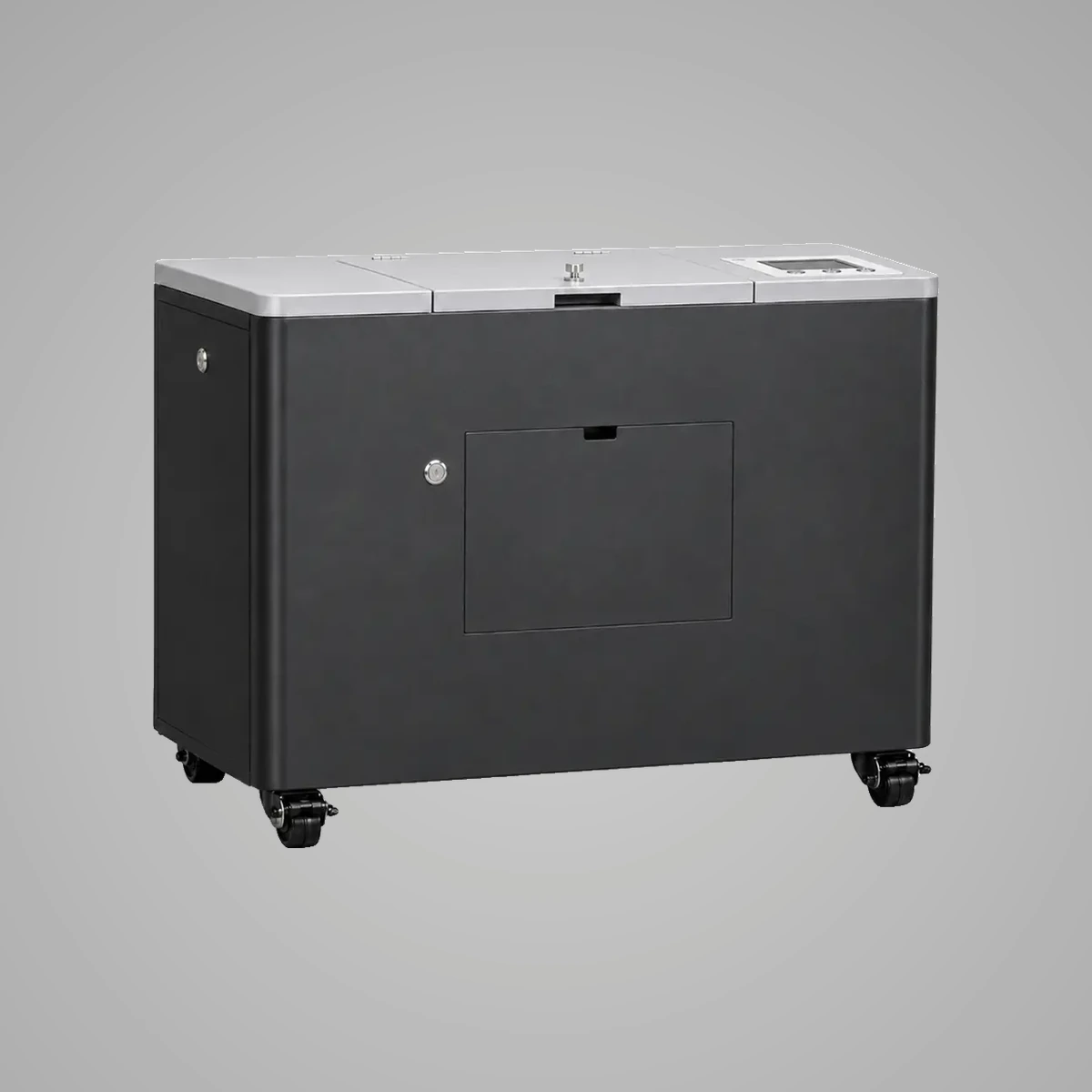
Wawli's commercial food-waste equipment includes models with different reference daily capacities. For example, Vector 10, Vector 50 and Vector 100 are listed at 10, 50 and 100 kg/day respectively. Those figures are starting points for a fit review, not a reason to select a machine from the average day alone.
Compare your measured normal and peak loads with the model's operating guide. Check accepted materials, loading schedule, available space, power, ventilation, cleaning access and output route. An undersized machine can leave the kitchen with overflow; an oversized one still has to fit the site's actual operating pattern.
If you are comparing collection with on-site treatment, share your weekly weight record, current pickup arrangement and site details with Wawli. That gives the team something more useful to discuss than a guess based on the number of meals served.
Sources and further reading
- U.S. EPA: Wasted Food Scale
- U.S. EPA: Commercial Food Waste Pre-Processing Technologies
- Wawli: How Food Waste Composting Systems Work
- Wawli: Commercial Food-Waste Equipment
Image note: The featured image is an AI-assisted horizontal extension of a supplied kitchen photograph. It does not show a Wawli installation.