01

Sort the material
Remove unsuitable objects and prepare the approved food-residue stream.

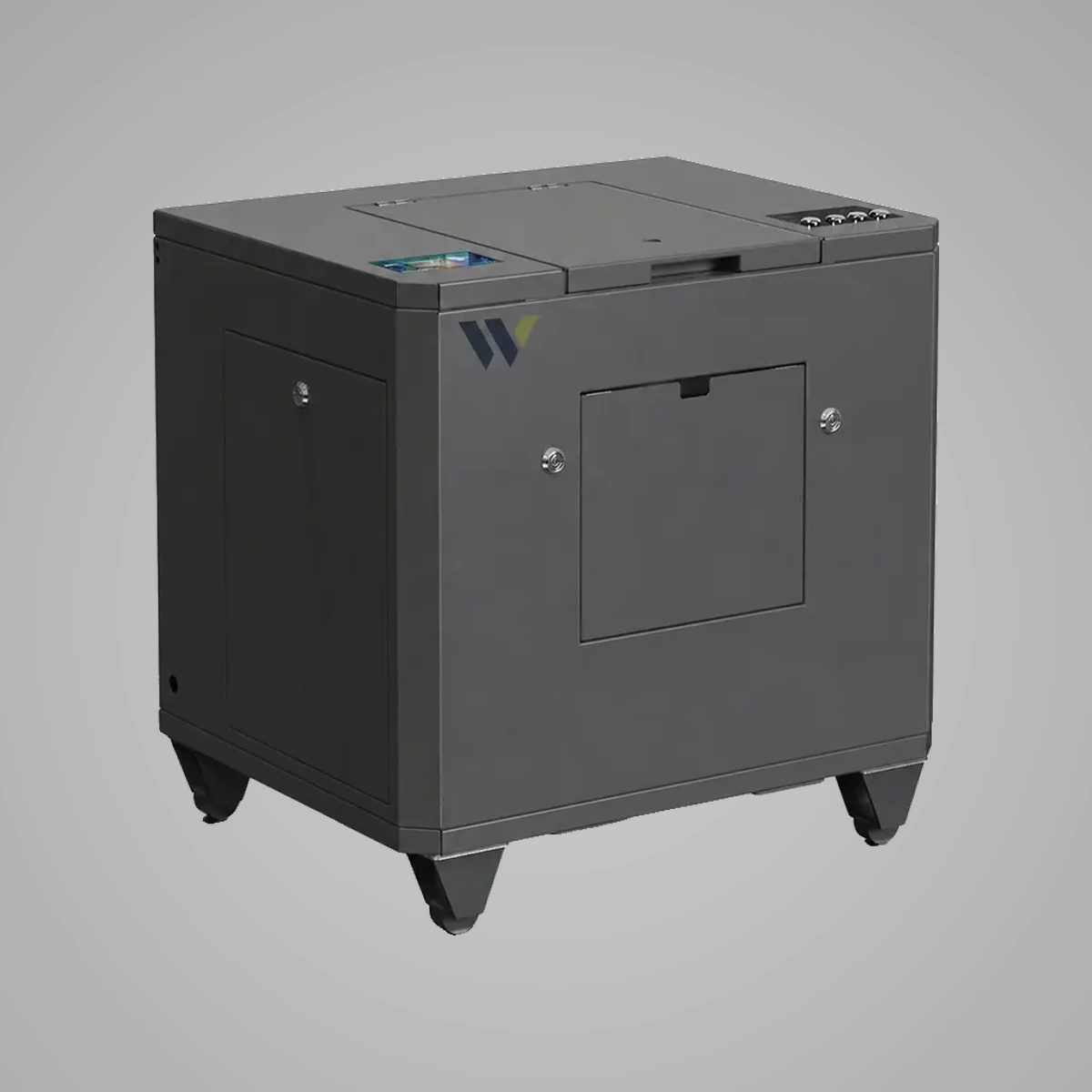
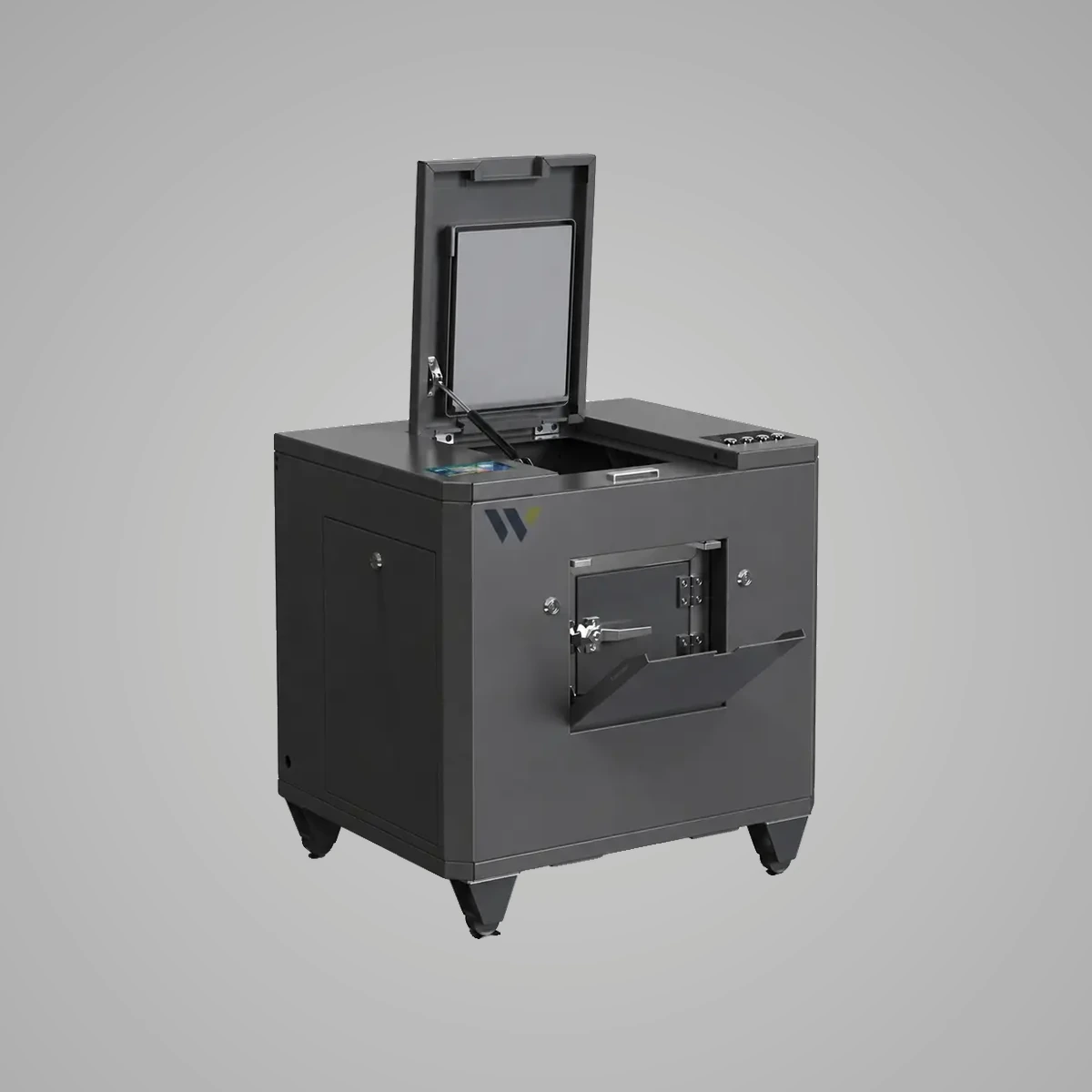
Food waste dryer
The Wawli Food Waste Dryer is a 10 kg/cycle commercial food waste dryer that uses thermal drying to reduce moisture in sorted food residues inside a compact cabinet.
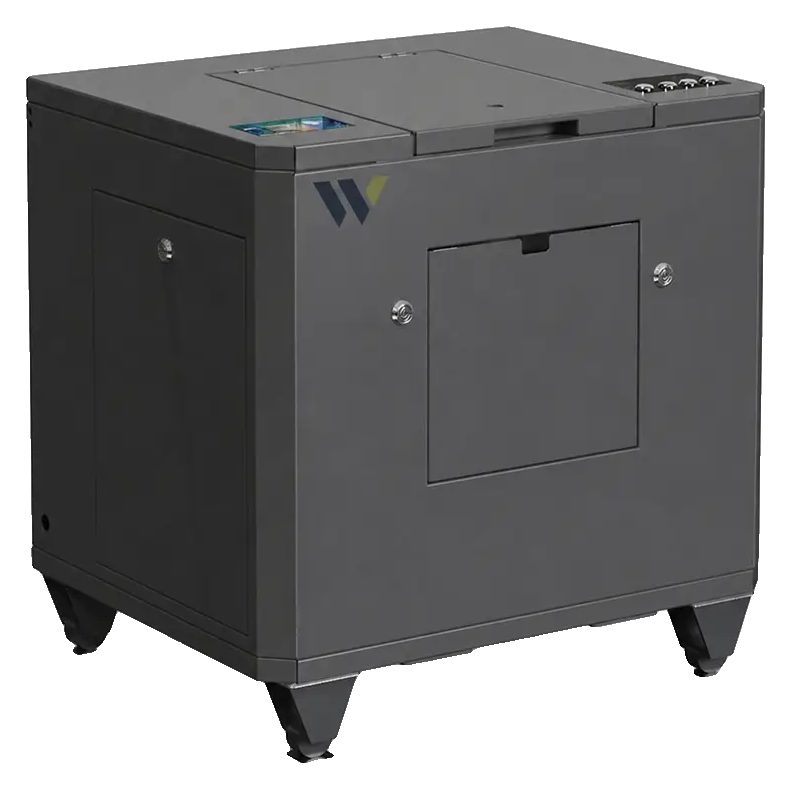
Food waste dryer
Wawli Food Waste Dryer provides an enclosed route for reducing moisture in suitable commercial-kitchen residues. Its rated capacity is 10 kg per cycle, so selection should consider batch size, input moisture and the site's cleanout routine.
Applications
Wawli Food Waste Dryer is a compact commercial reduction machine with a verified 10 kg/cycle reference figure. The cycle figure describes batch handling, not a daily composting capacity, so selection should reflect the site's batch size and operating schedule.
It is suited to cafés, restaurants, hotel kitchens and smaller canteens seeking a space-conscious way to reduce routine food-waste batches before the site's next handling stage.
How it works
Sorted food residues are loaded, dried under controlled conditions and removed as reduced organic material for the next approved route.
Remove unsuitable objects and prepare the approved food-residue stream.
Place the verified cycle load into the enclosed drying chamber.
Controlled heat and airflow remove moisture from the loaded material.
Direct the dried output to the locally approved recovery or disposal route.
Input guidance
The chamber can accept suitable raw and cooked food scraps. Keep the feed stream free from packaging and other non-organic contaminants.
Do not load plastic, glass, metal or other non-organic objects. Follow the operating guide for feed preparation and loading limits.
Key features
Use properly separated, compatible food residues and exclude glass, metal, packaging, chemicals and general refuse before loading.
Verified reference cycle capacity from the Wawli product master.
The process is intended to reduce moisture in suitable food residues.
The dark floor-standing enclosure supports organized commercial-kitchen use.
Wheels support placement and service access within the planned work area.
The top and front openings support loading and residue removal.
Dried residue is not presented as finished compost without further verification.
Technical data
Verified processing, material and electrical data for the Wawli Food Waste Dryer.
Product FAQ
Clear answers based on the verified product information.
Choose drying when the immediate goal is to remove moisture, reduce volume and make storage or transport easier. The Wawli Food Waste Dryer uses thermal drying rather than microbial composting. It produces a drier residue for the site's next collection or treatment step, while a composting machine serves a different processing goal.
Divide the measured daily food waste weight by the rated 10 kg per cycle, then allow for the 8 to 10-hour reference cycle and the site's operating hours. This shows whether one batch fits the day or whether the project needs a different loading plan. The 10 kg figure describes each batch rather than the full daily limit.
Yes, if staff load a sorted batch at a consistent time and plan unloading into the next available shift. Wetter or uneven loads may be harder to schedule, so the routine should leave some flexibility. The useful question is whether the batch finishes before the residue must move to storage or collection.
Remove packaging, glass, metal and other obvious foreign objects. Drain excessive free liquid and visible pools of oil, while normal moisture on the food remains part of the drying load. Better sorting protects the machine and keeps the batch more consistent without asking staff to dry scraps by hand.
The residue is drier and smaller than untreated wet food waste, so it is easier to contain and store before collection. The site can often use cleaner containers and a more predictable collection routine. The exact transport or disposal route still depends on local requirements and what the receiving service accepts.
Drying changes moisture and volume, but it does not automatically create finished compost. Confirm what the next facility or collection service accepts, then keep the residue dry until pickup or further treatment. That distinction prevents a food waste recycling plan from ending with material that has no approved destination.