Technology & Insights
Can You Compost Cooked Food? It Depends on the System
The short answer is sometimes. Plain plant-based leftovers are different from greasy dishes, meat and dairy, and a backyard pile is different from a controlled commercial facility.
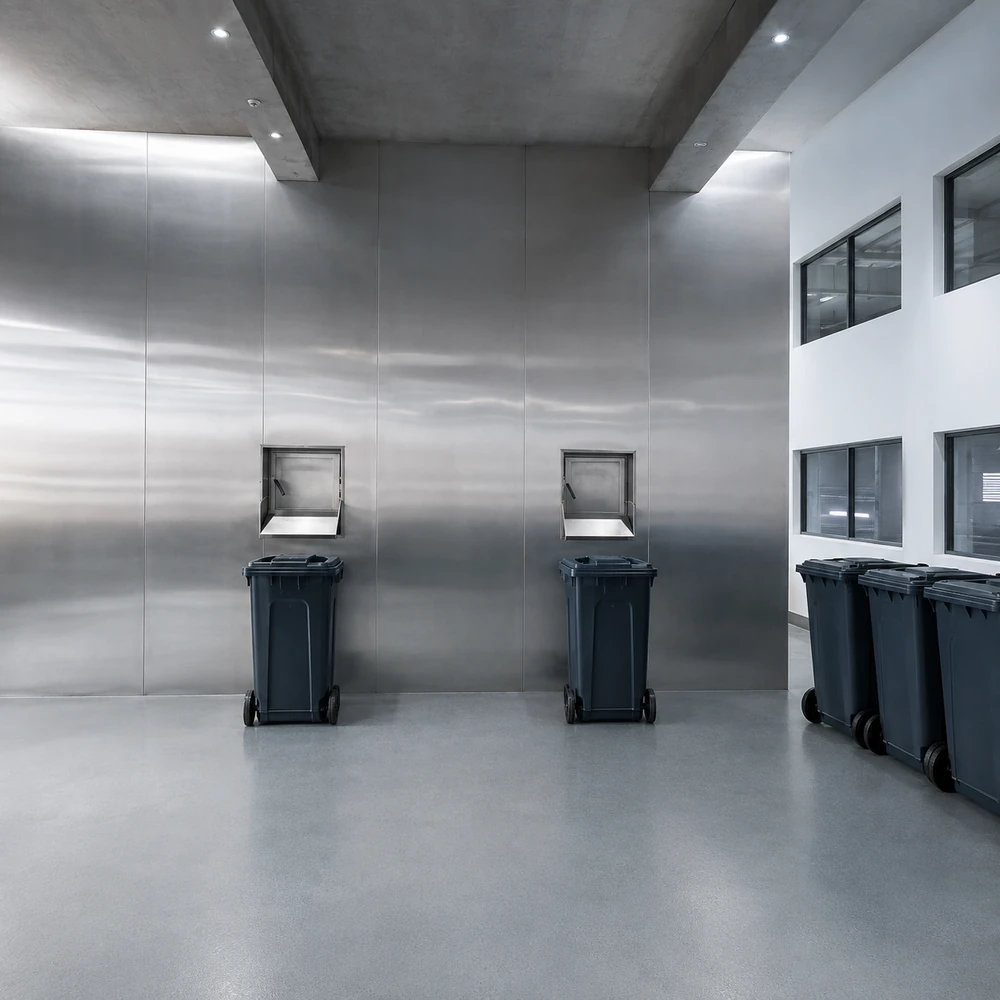
Enclosed organic waste handling area with organised collection points.
The short answer is sometimes. Plain plant-based leftovers are different from greasy dishes, meat and dairy, and a backyard pile is different from a controlled commercial facility.
The system determines the answer
If you ask can you compost cooked food, first identify where the material will go. Home guidance is intentionally conservative because small piles may not reach or maintain conditions needed for difficult feedstocks.
Commercial or enclosed systems can sometimes accept broader inputs, but only when their process design, permit and operator rules allow it.
Why cooked food can be difficult
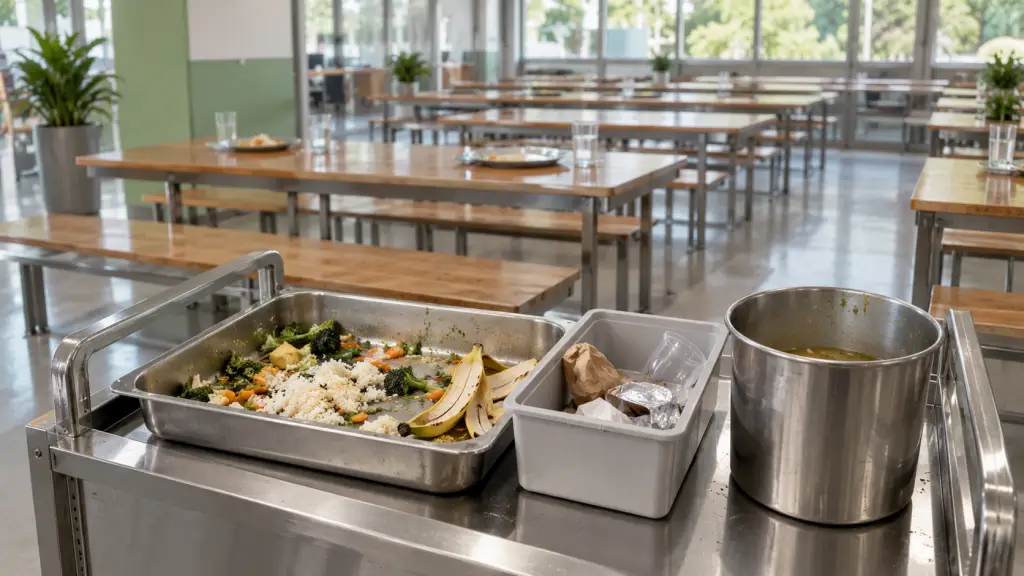
Cooking often adds oil, salt, sauces, dairy or animal protein. These materials can increase odour, attract pests and create dense wet pockets when added in quantity.
Soft cooked starches can mat together and restrict airflow. A large tray of rice or pasta behaves differently from a small mixed portion dispersed through structural material.
A cautious backyard approach
For a typical home pile, prioritise fruit and vegetable scraps, coffee grounds and other accepted plant material. EPA guidance notes that small amounts of cooked food may be acceptable but recommends avoiding meat, dairy, fats, oils and grease because of pests and insufficient temperatures.
If local guidance permits a small amount, remove packaging, drain liquid, break up clumps, bury it in the active centre and cover it with carbon-rich material.
Commercial acceptance is not automatic
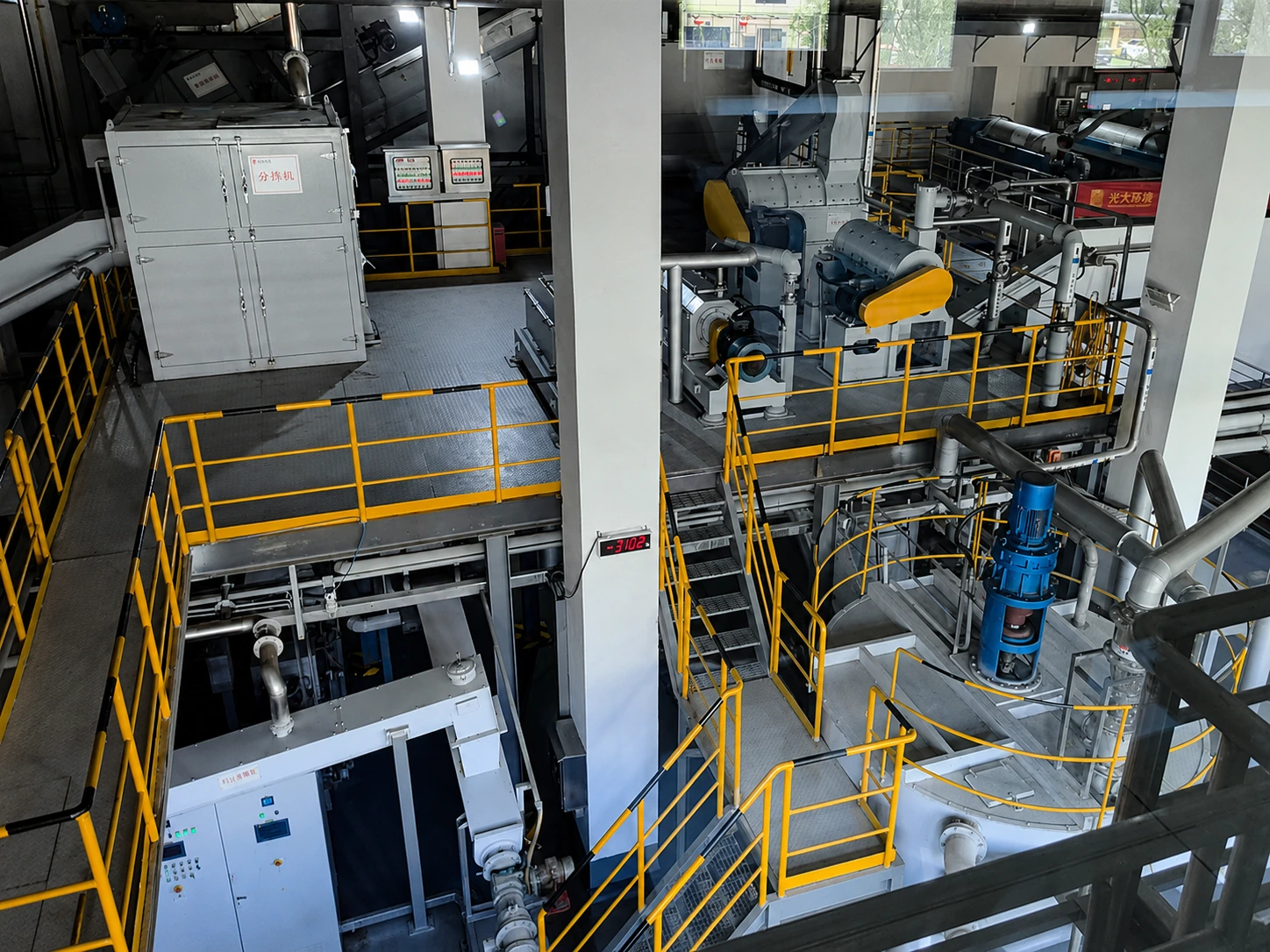
A commercial composting facility may maintain thermophilic conditions and use enclosed receiving, aeration and sanitation controls. That can expand the accepted-materials list.
Still, do not label a bin ‘all food’ without written confirmation. Compostable packaging, cutlery and bags may follow different acceptance rules from cooked food itself.
Controlled on-site systems need a recipe
An enclosed system can manage odour and pests more effectively, but it cannot ignore feedstock balance. Operators should limit free liquid, spread high-moisture loads and add approved structure when the mix becomes dense.
Temperature, moisture, aeration and agitation should be considered together. Overloading cooked food can exceed a system’s ability to correct the recipe within its normal cycle.
Source separation prevents bigger problems
Remove plastic film, sauce sachets, foil, skewers and gloves at the point of disposal. Once these are shredded into wet organics, recovery becomes slower and less effective.
Clear bin examples are better than broad labels. Kitchens can display a short accepted list beside preparation and wash-up areas.
Use odour as an early warning
A strong sour or putrid smell usually indicates that material is too wet, compacted or short of oxygen. Correct the cause instead of masking it.
Reduce loading, add dry structure if permitted, restore airflow and check drains and seals. Repeated odour events suggest the accepted mix or operating routine needs revision.
Frequently asked questions
Can I compost cooked vegetables?
Often in small amounts if they are not oily or heavily seasoned, but follow the rules for your specific system.
Can meat and dairy go in compost?
Many backyard guides advise against them; some commercial facilities accept them under controlled conditions.
Are compostable plates accepted with cooked food?
Only if the receiving facility explicitly accepts the certified product type. Never assume the label alone is enough.
Sources and further reading
Plan a controlled process
Match the system to your feedstock and site.
Review process technology, product formats and project requirements with Wawli.