Technology & Insights
Countertop Composting Explained: What Kitchen Appliances Actually Do
Countertop units can reduce the inconvenience of storing kitchen scraps, but the word ‘composter’ covers several different processes. The output and next step depend on what the appliance actually does.
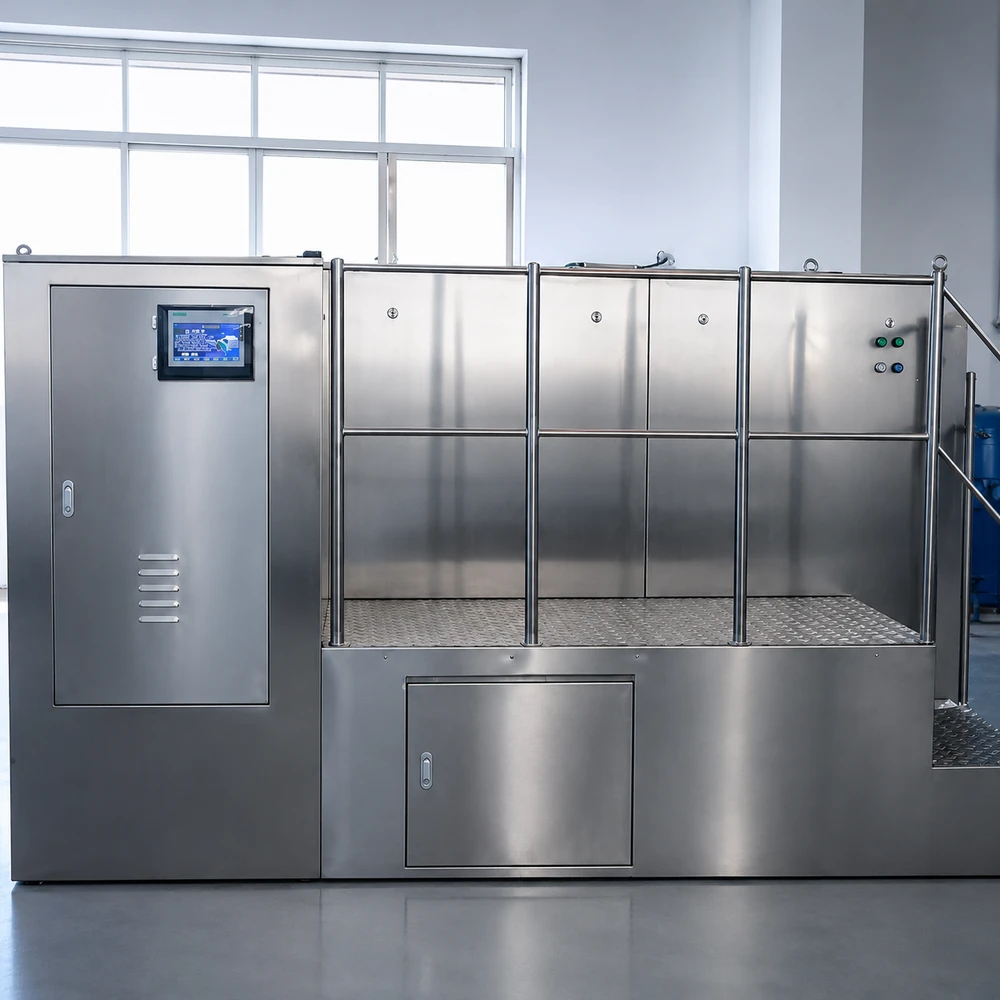
Integrated touchscreen controls on a stainless-steel organic waste treatment unit.
Countertop units can reduce the inconvenience of storing kitchen scraps, but the word ‘composter’ covers several different processes. The output and next step depend on what the appliance actually does.
The category includes different technologies
Searches for composting in kitchen counter often mix three ideas: collection containers, grinding-and-drying appliances and biologically active systems. They should not be evaluated as if they produce the same material.
A sealed caddy stores scraps for collection. A dehydrating unit reduces weight and volume. A biological unit aims to support microbial breakdown under controlled conditions. Read the process description before comparing cycle times.
Grinding and drying are pre-processing
Many compact electric appliances heat, grind and dry food scraps. This can reduce volume, limit free moisture and make short-term storage easier.
The resulting dry material is not necessarily mature compost. The US EPA distinguishes residential pre-processing appliances from composting systems and notes that their output may need to enter a separate composting or collection pathway.
Biological processing needs living conditions
Microorganisms require suitable moisture, oxygen, temperature and time. A device that supports biology must protect these conditions instead of simply driving off water.
Feedstock changes still matter. Large quantities of liquid, oil or a single dense ingredient can disturb a small chamber much faster than they would affect a larger mixed system.
Check accepted inputs and output instructions
Look for a clear accepted-materials list and guidance for bones, shells, fibrous scraps, cooked food and liquids. Marketing language is less useful than specific operating limits.
Also ask what happens after the cycle. Can the output be added to a curing pile, placed in a municipal organics bin, used only in limited applications or disposed of? The answer changes the value of the appliance.
Odour control is partly an operating practice
Seals, filters and controlled airflow can help, but daily habits remain important. Drain excess liquid, avoid overfilling, clean contact surfaces and follow filter or carbon replacement intervals.
Odour is also a diagnostic signal. A persistent sour smell may indicate retained moisture or anaerobic conditions; a burnt smell suggests a heating or maintenance issue that should be addressed immediately.
Compare capacity with real household flow
Nominal chamber volume is not the same as daily throughput. Consider how often the device must run, whether new scraps can be added mid-cycle and how much space is required for output storage.
Measure a typical week of scraps before selecting equipment. This simple check is more reliable than buying around a single unusually large meal.
Use a five-point decision check
Confirm the process type, accepted inputs, practical daily capacity, output destination and ongoing maintenance. Energy use, consumables, noise and cleaning access belong in the same comparison.
A countertop device works best when it fits a complete household routine—from separation at the cutting board to the final destination of the processed material.
Frequently asked questions
Do countertop composters make finished compost?
Some support biological processing, while many grind and dehydrate scraps. Check the manufacturer’s output and curing instructions.
Can output go directly into plant pots?
Not automatically. Dried or partially processed material may still be biologically active or too concentrated; follow the stated next step.
What reduces odour most effectively?
Correct loading, moisture control, timely cleaning and maintained filters are more reliable than fragrance or masking products.
Sources and further reading
Plan a controlled process
Match the system to your feedstock and site.
Review process technology, product formats and project requirements with Wawli.