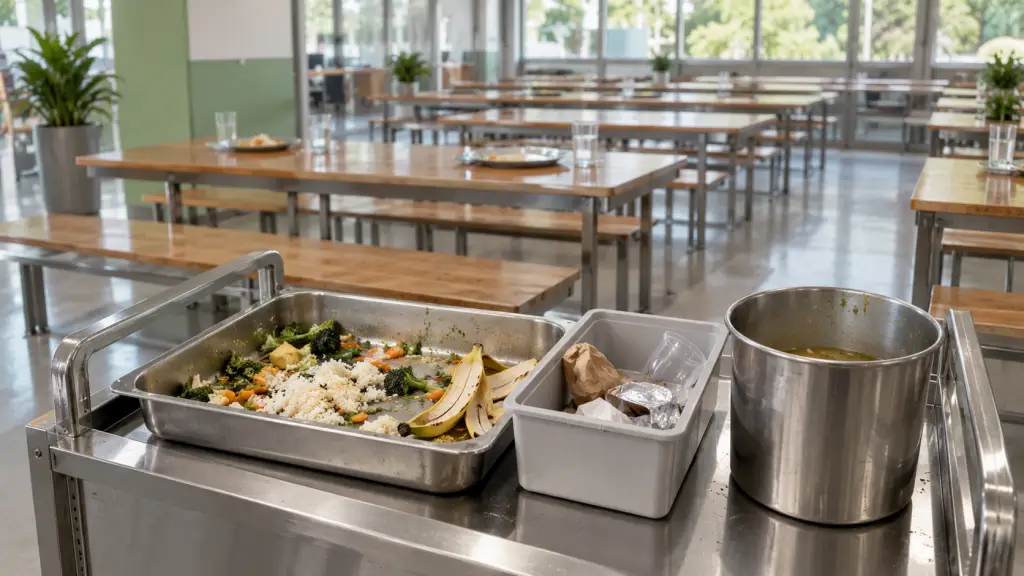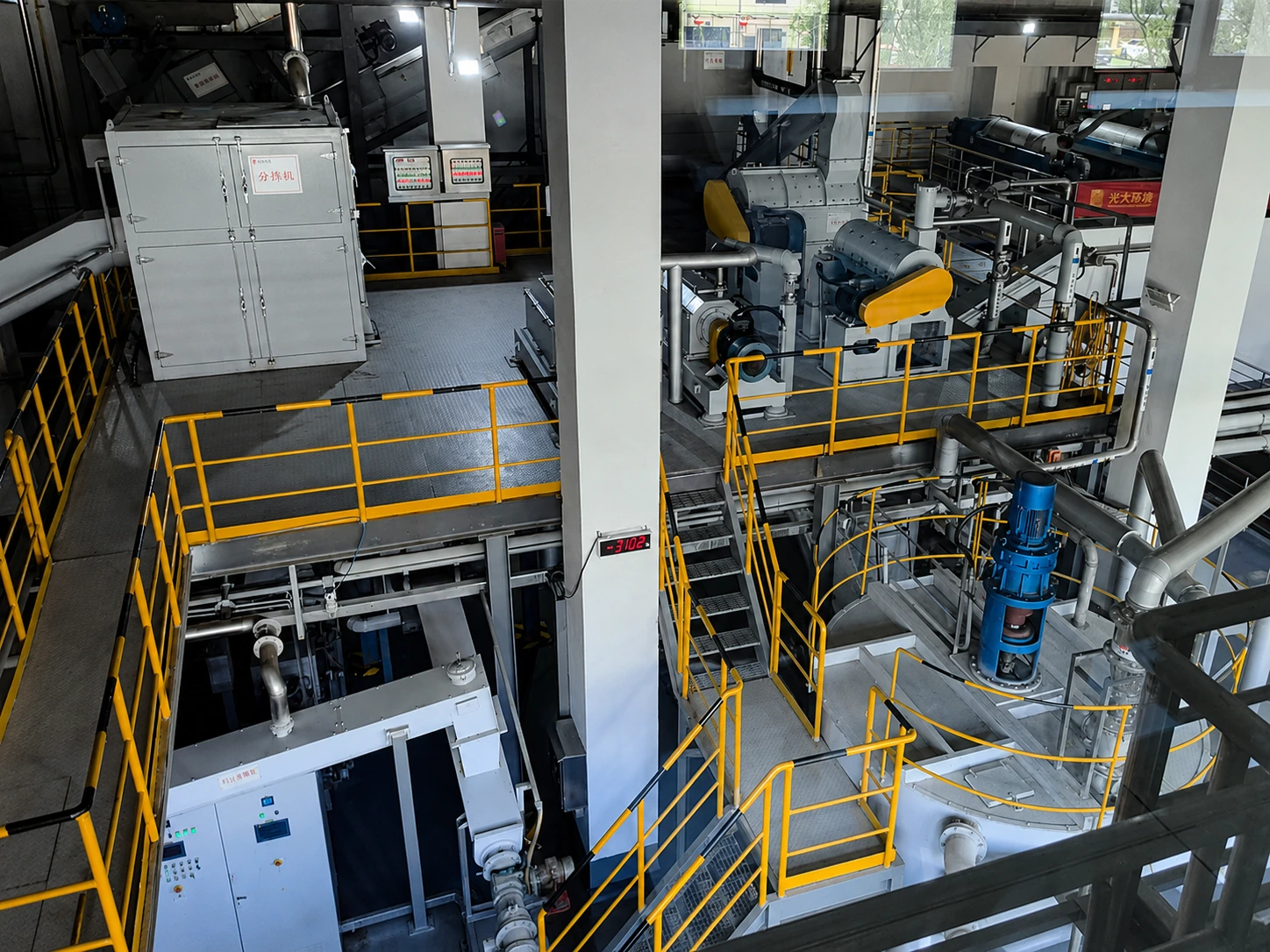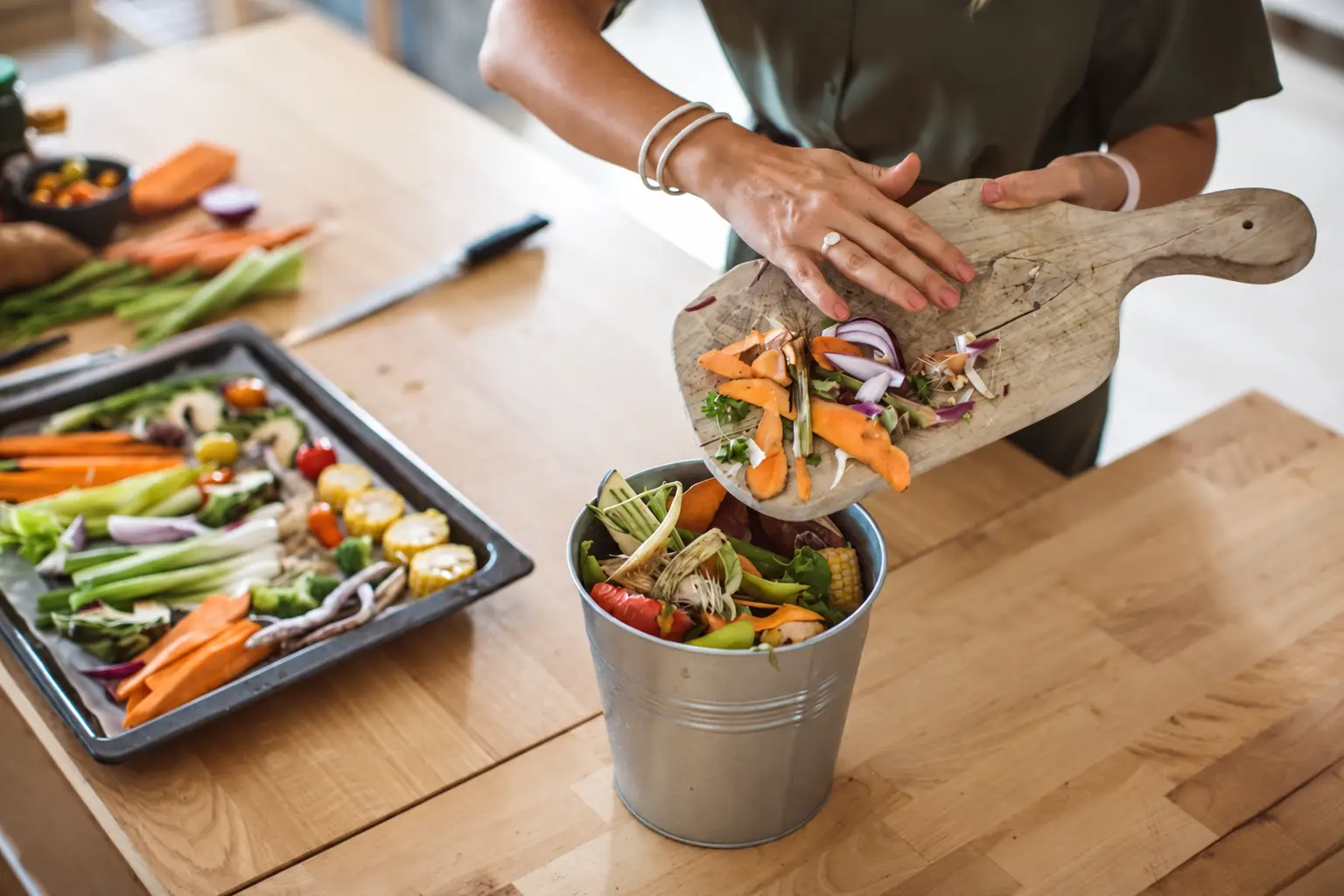
After a busy service, a kitchen’s work is not finished. Food scraps still need to be separated, moved, stored and collected. For hotels, central kitchens and large catering facilities, this daily routine can take up valuable space and staff time.
Food waste treatment equipment can help make that routine more manageable. But its value depends on more than the machine: suitable inputs, correct sizing, staff training and a clear destination for the processed material all matter.
Here are five practical benefits to consider—and what your business needs to put in place to achieve them.
1. Better control of wet food waste
Leaving food scraps in collection bins creates another task for the back-of-house team: managing storage, spills and cleaning between collections.
An on-site treatment system can move suitable scraps into a defined processing routine instead of relying only on temporary storage. Enclosed processing and appropriately configured odor treatment can help manage nuisance odors when combined with correct operation and maintenance.
The equipment does not replace kitchen hygiene. Teams still need to clean collection areas, remove unsuitable materials and follow loading instructions.
2. Less bulk to handle after processing
Reducing the bulk of suitable food waste can make the remaining material easier to store and move.
Wawli’s microbial systems use an enclosed chamber with controlled mixing, heat and airflow to support biological breakdown. Results depend on the equipment, feedstock and operating conditions; the relevant process is explained in Wawli’s technology overview.
A smaller output does not automatically mean fewer collections or lower bills. Those benefits depend on how your waste contractor charges, how much storage is available and where the processed material goes.
For a useful comparison, record input and output weights alongside changes in storage needs and collection arrangements.
3. A more consistent daily workflow
Equipment selection is also a workflow decision.
A hotel with breakfast, restaurant and banquet service may receive food scraps at several points throughout the day. A central kitchen may generate most of its waste during a concentrated preparation period. Even if their daily totals are similar, their loading patterns can be different.
A planned system gives staff clear responsibilities for sorting, loading, checks, cleaning and discharge. Map those tasks before choosing equipment, and allow for busy days—not just the daily average.
Automation can support the routine, but staff involvement remains necessary.
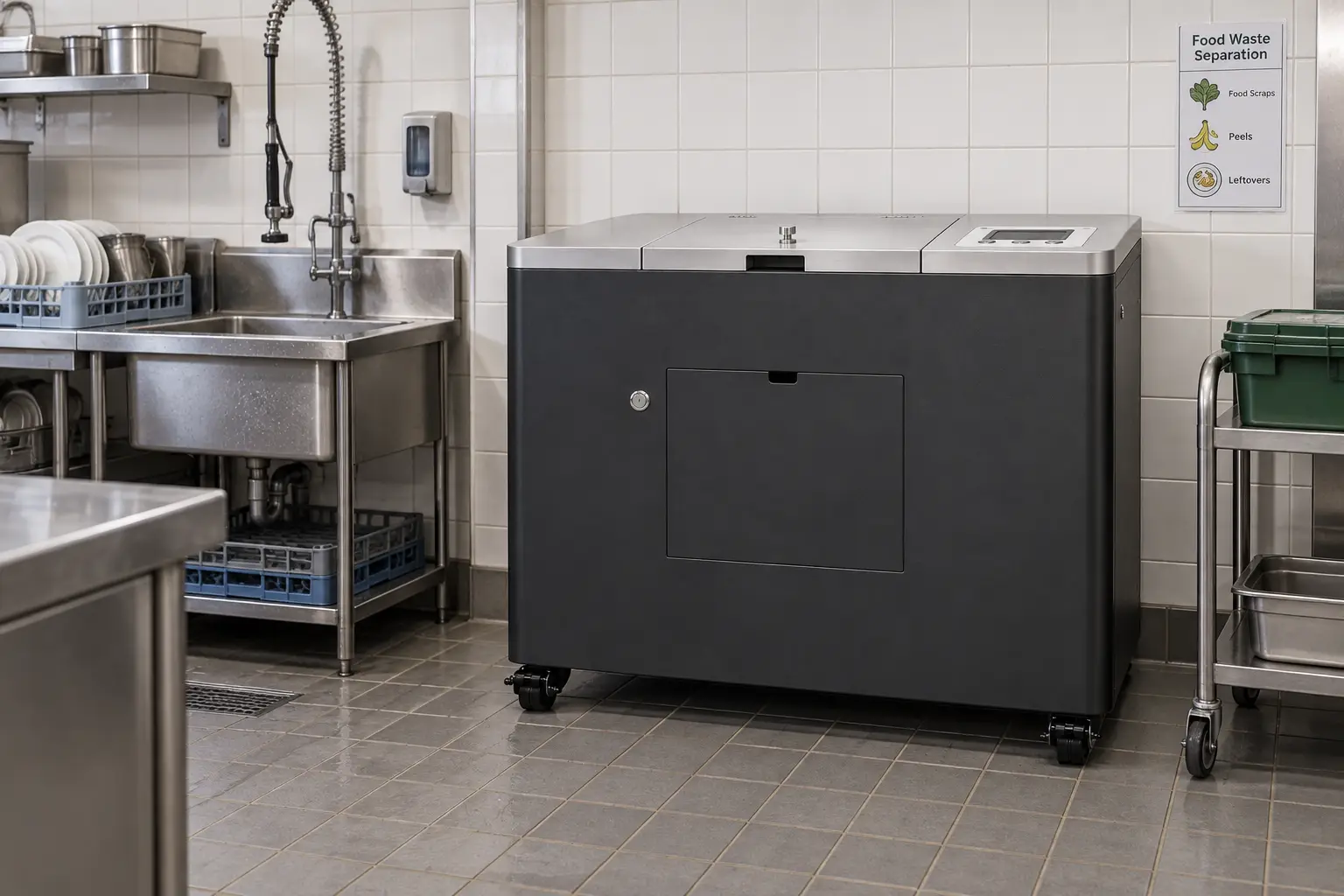
For a commercial kitchen evaluating a 100 kg/day reference capacity, the Wawli Vector 100 commercial composter is one option to review. Check peak loads, available space and installation requirements before confirming suitability.
4. A planned route for organic material recovery
Food waste management should begin before material reaches a machine. Better purchasing, storage and preparation can prevent avoidable waste; safe surplus food should be considered for donation where appropriate. Prevention, donation and upcycling are the preferred pathways in the U.S. EPA’s Wasted Food Scale.
Treatment addresses the suitable scraps that remain.
For Wawli’s microbial equipment, the discharged material may need further curing or treatment and checks before soil use. A processing cycle should not be presented as proof of finished-compost maturity. Plan the receiving route alongside the equipment—not after installation.
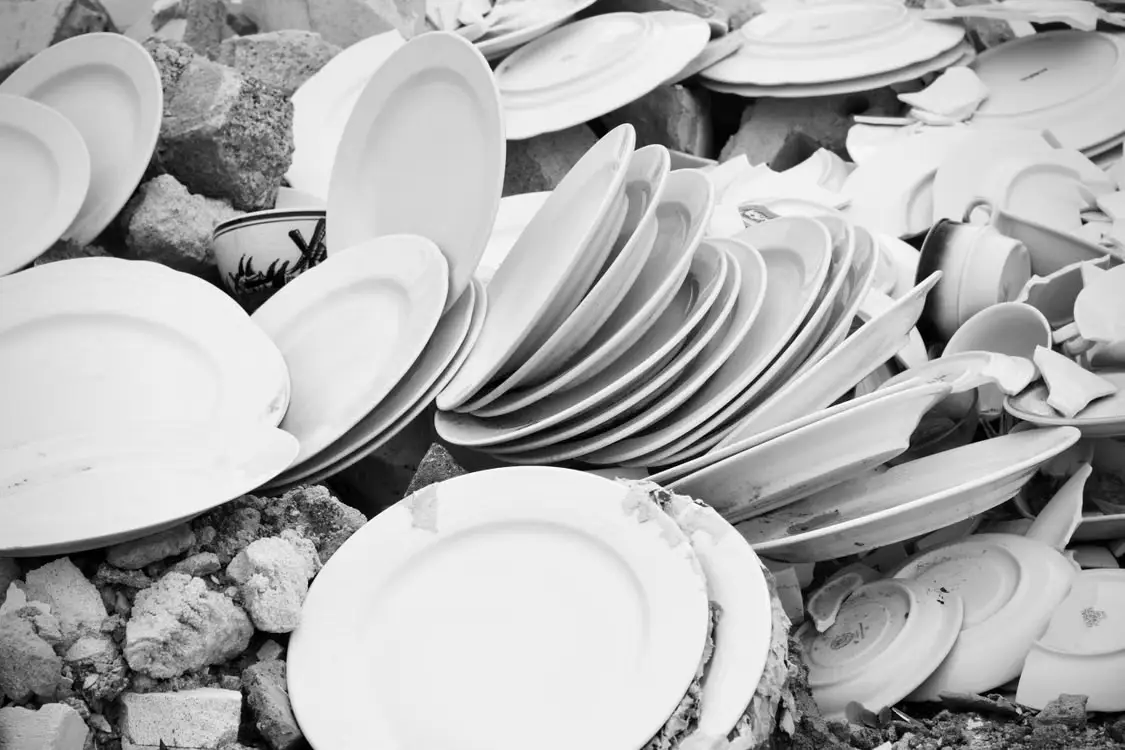
Glass, metal, ceramics and unsuitable packaging must be excluded from the input. These machines should not be treated as mixed-waste recycling systems.
5. A clearer basis for evaluating operating costs
The financial question is not simply “How much does the machine cost?” It is “How will the complete handling process change?”
Compare your current collection, disposal and handling costs with the proposed system’s full costs:
- Equipment, delivery, installation and commissioning.
- Electricity, consumables and routine maintenance.
- Staff time for sorting, loading, cleaning and discharge.
- Further treatment or collection of the output.
Savings are project-specific. Use measured operating data and actual service quotes rather than assuming a fixed payback period.
Where Wawli fits
Wawli offers equipment for commercial kitchens and larger food-waste operations. The commercial range includes Vector models, while the industrial range includes Matrix and Atlas systems for larger processing requirements.
For initial comparison, review the Vector 50 (50 kg/day), Vector 100 (100 kg/day) and Matrix 200 (200 kg/day). These are reference capacities, not a substitute for assessing the waste stream and site.
Start with your waste stream, not a model number. Measure a representative working week, note peak days and identify the main materials being discarded. Then review the available space, site utilities, loading access and output destination.
For practical steps on measuring and preventing waste, read our earlier guide to food waste management in commercial kitchens.
Planning a project? Share your daily food-waste quantity, waste type and project location with Wawli to discuss equipment options that fit your operation.