01

Sort and load
Remove contamination before introducing suitable organic waste to the loading area.

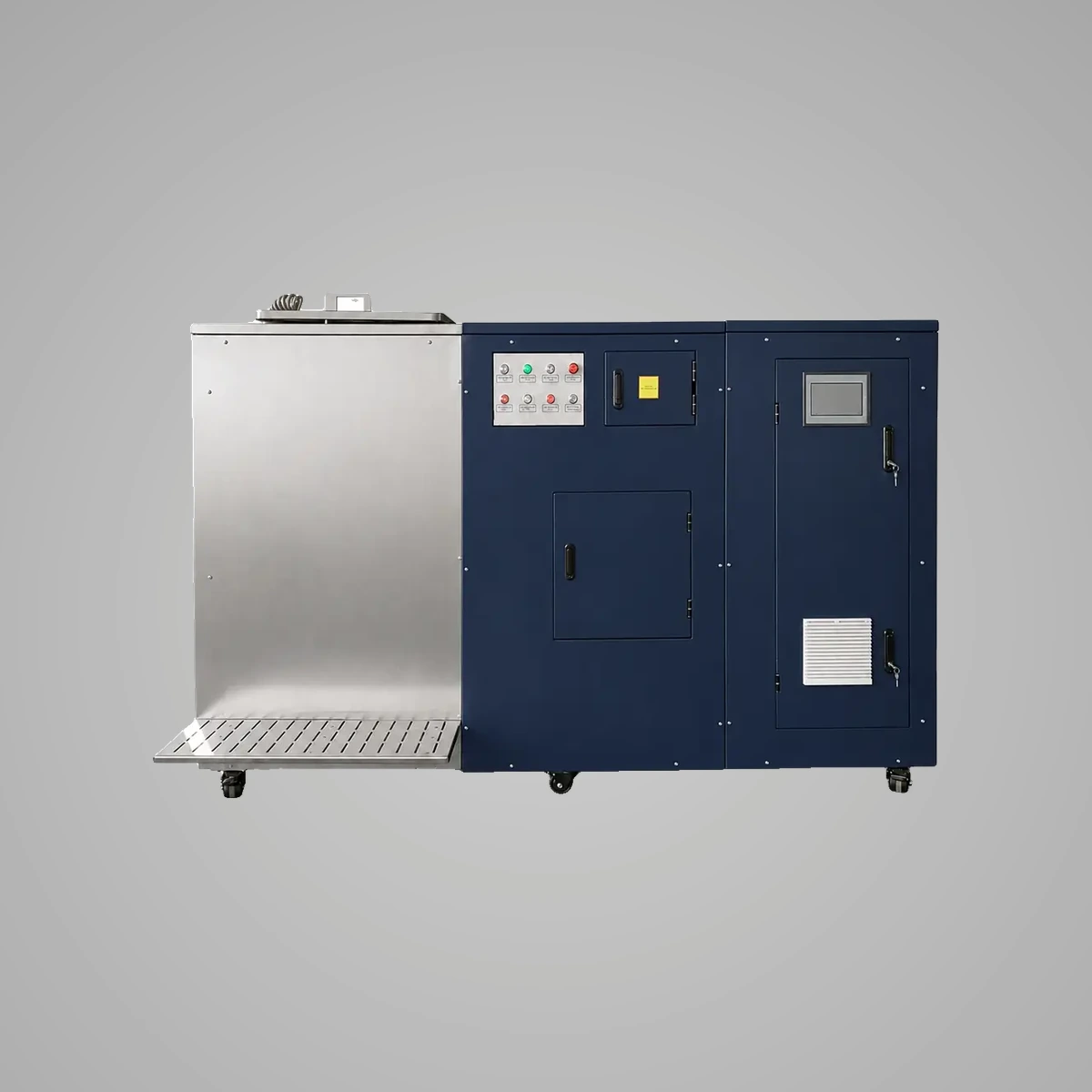
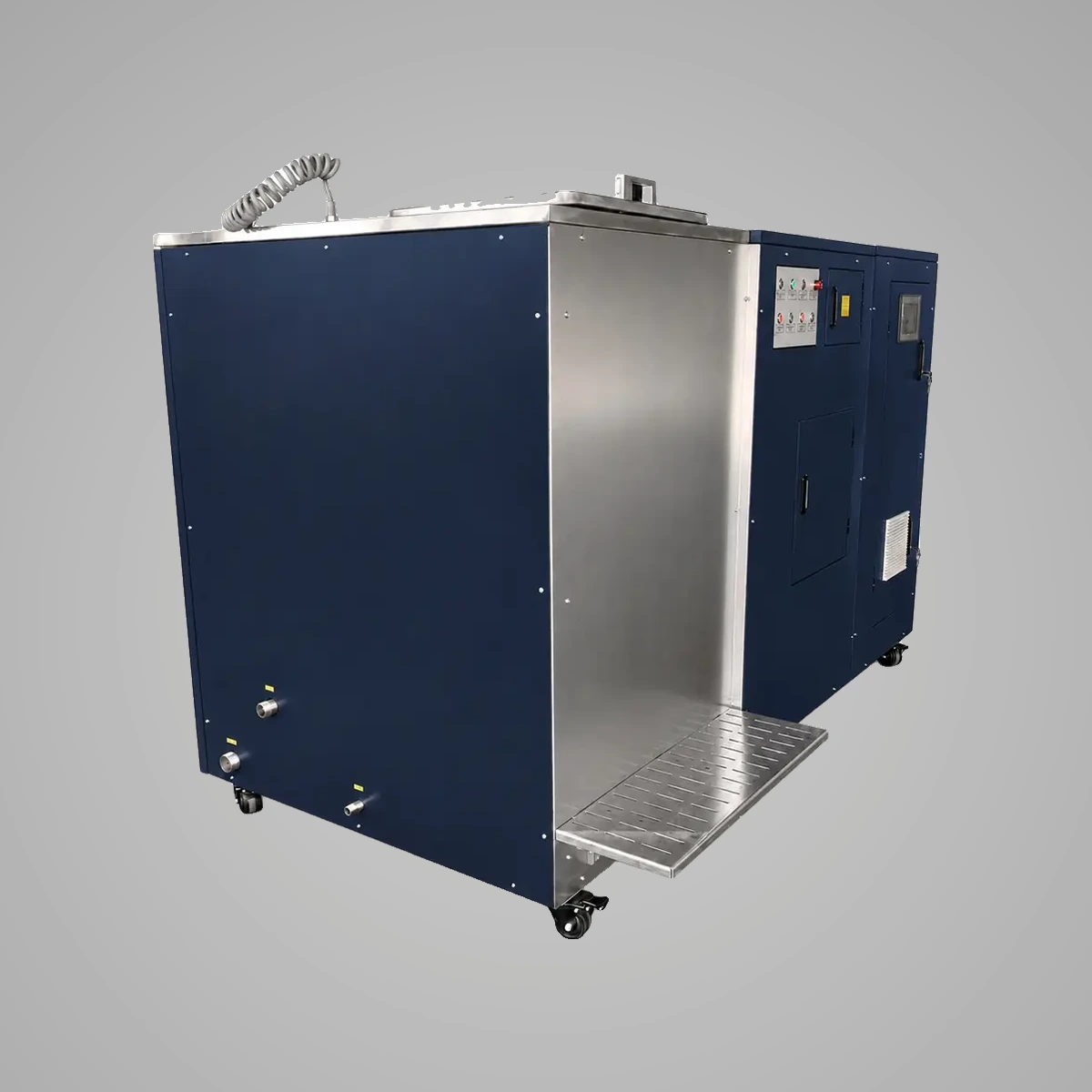
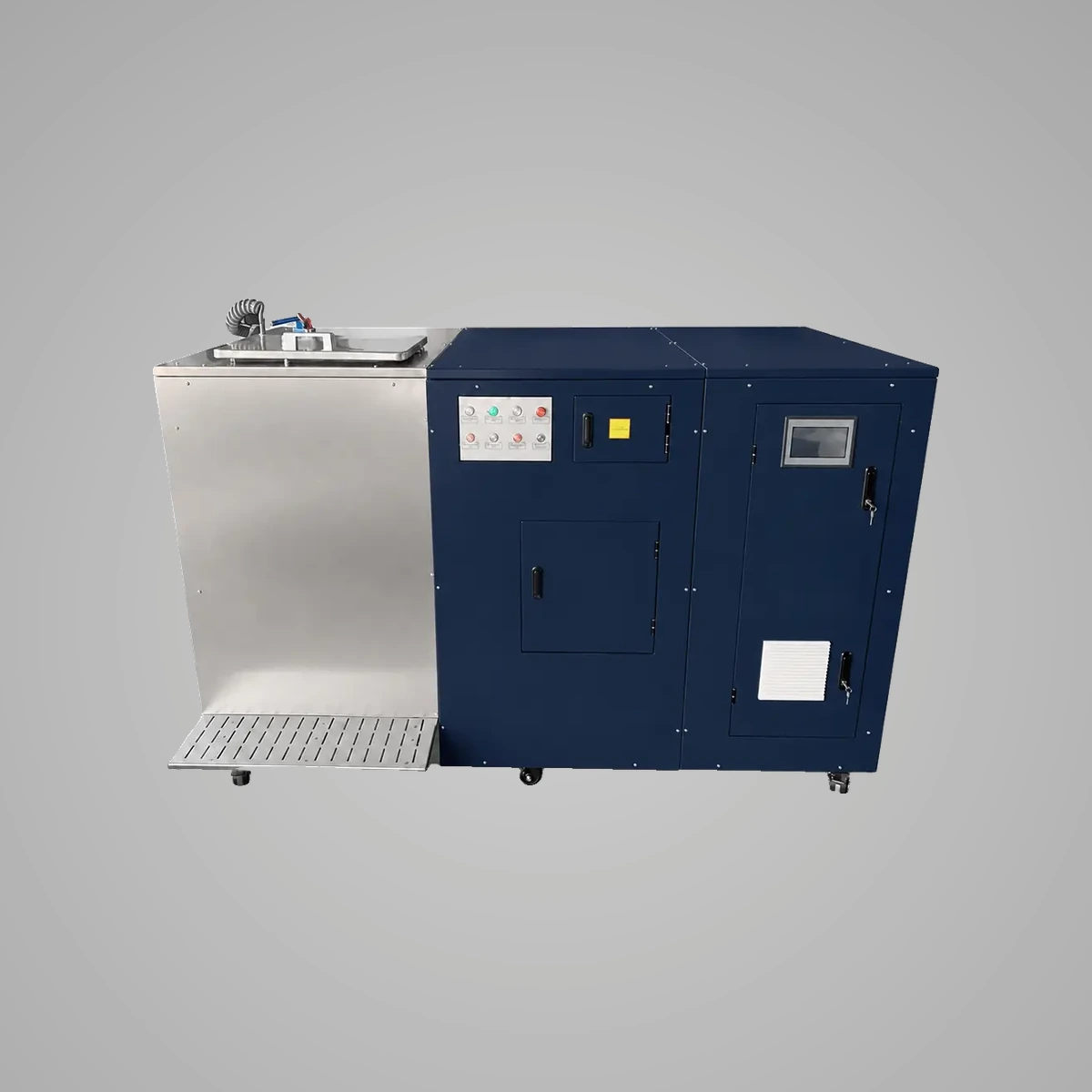
Commercial composter
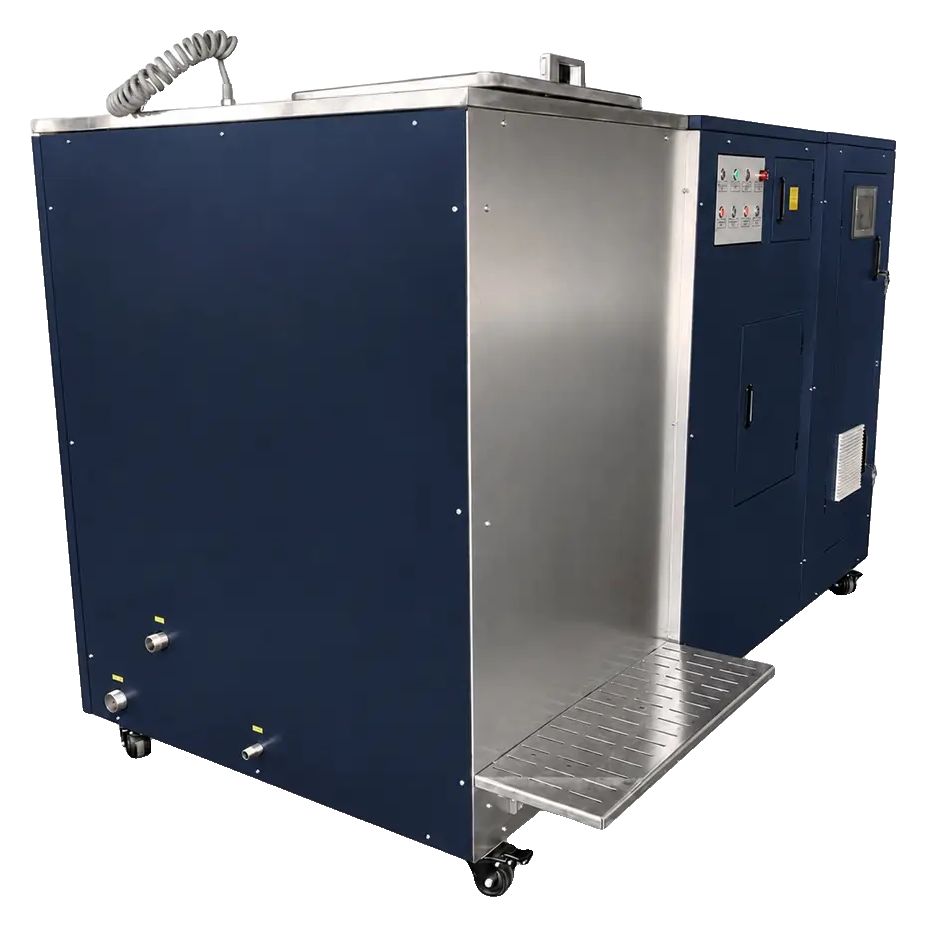
The Wawli Commercial Composter is a 100 kg/day commercial composter combining integrated shredding, microbial processing, automatic mixing and bio-filter odour control.
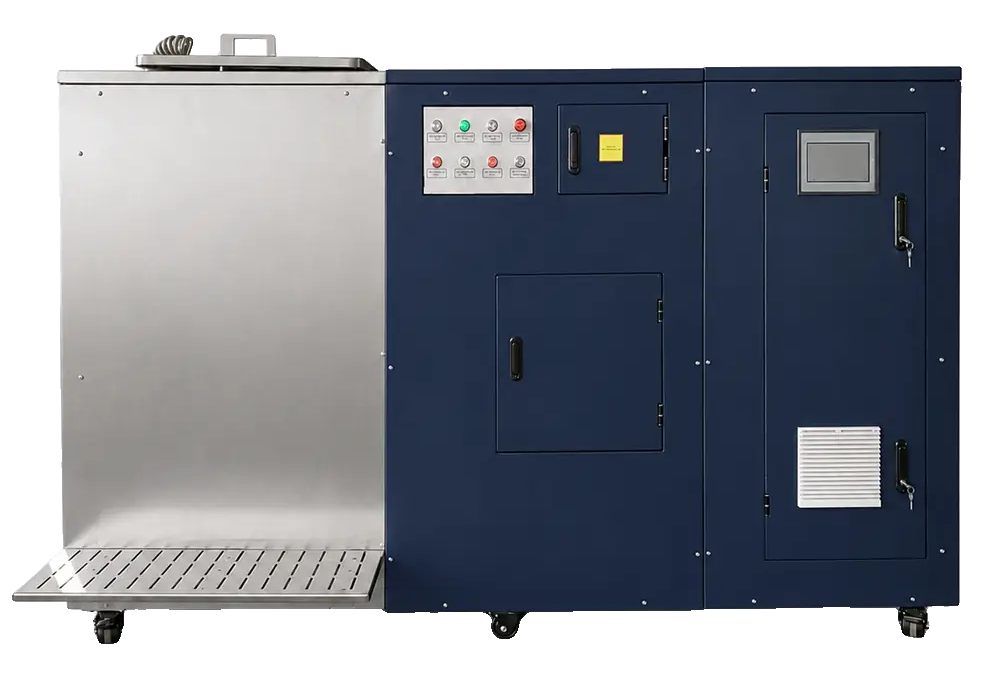
Commercial composter
Wawli Commercial Composter combines size reduction and a 24-hour microbial process in one enclosed machine for recurring food and organic-waste streams. Selection should be based on measured daily loads, feed preparation and the site's output-handling plan.
Applications
At a verified 100 kg/day reference capacity, Wawli Commercial Composter serves commercial sites with recurring food and organic waste streams that exceed smaller kitchen-scale requirements. The model should be matched to actual daily loading and available operating space.
It fits busy restaurants, hotels, cafeterias and supermarkets where source-separated organic material can be handled consistently through an on-site commercial workflow.
How it works
The built-in shredder prepares sorted organic waste before controlled mixing, aeration and composting within the main chamber.
Remove contamination before introducing suitable organic waste to the loading area.
The integrated shredder reduces incoming waste into smaller, more consistent particles.
Automated mixing and managed operating conditions support microbial treatment.
Handle the processed material according to the operating guide and local requirements.
Input guidance
Use properly sorted food scraps, produce residues and other approved biodegradable material. Remove metal, glass, plastic and chemicals before loading.
Do not load plastic, glass, metal or other non-organic objects. Follow the operating guide for feed preparation and loading limits.
Key features
Verified operating details, presented in the same clear Wawli format.
Published reference capacity for recurring commercial organic-waste streams.
Size reduction and composting are combined within one system.
Published processing reference for suitable feedstock and correct operation; it does not establish compost maturity or fertilizer quality.
Published volume-reduction figure under suitable operating conditions.
The enclosed process uses bio-filter support for odour management.
Controlled mixing supports consistent material movement through the process.
Technical data
Verified capacity, construction and operating data for the Wawli Commercial Composter.
Product FAQ
Clear answers based on the verified product information.
The integrated shredder reduces suitable food waste to smaller pieces before microbial processing. It is useful when a site wants one loading route instead of moving material through a separate shredding step. Staff still need to remove foreign objects first, but the combined workflow can shorten the path from sorted scraps to the processing chamber.
Weigh food waste over normal and peak operating days, then compare both with the 100 kg daily rating. Use weight records rather than meal counts or bin volume. The right commercial composter should cover the routine load with room for busy days, without relying on overloading to clear the kitchen.
Sort and load at a fixed time, let the reference 24-hour process run, then plan unloading and cleaning into the next day's shift. This processing time does not guarantee finished compost; assess the output before any soil use. Consistent feed and moisture make the schedule easier to repeat. The staff member responsible for loading does not need to stay beside the compost machine for the complete batch.
Remove plastic, glass, metal, cutlery and other hard foreign objects before loading. Drain excessive free liquid, while ordinary moisture on food scraps is acceptable. The shredder reduces suitable organic material; it does not replace source sorting or turn mixed general waste into an appropriate feed.
Daily work covers sorting, loading, status checks, output removal and cleaning around material-contact areas. Weekly or scheduled work covers deeper inspection and the service points listed in the product guide. Putting both into a simple log makes food waste management predictable without creating a separate full-time position.
Choose containers, a dry holding area and a clear next destination before the first batch. The processed output may need further curing or testing before any soil use. Follow the product guide and local requirements, or arrange collection through an organic waste service. Planning that route at the start completes the food waste recycling workflow and keeps unloading simple for staff.