01

Load the feed
Introduce sorted kitchen waste through the top loading area.

Kitchen waste reduction
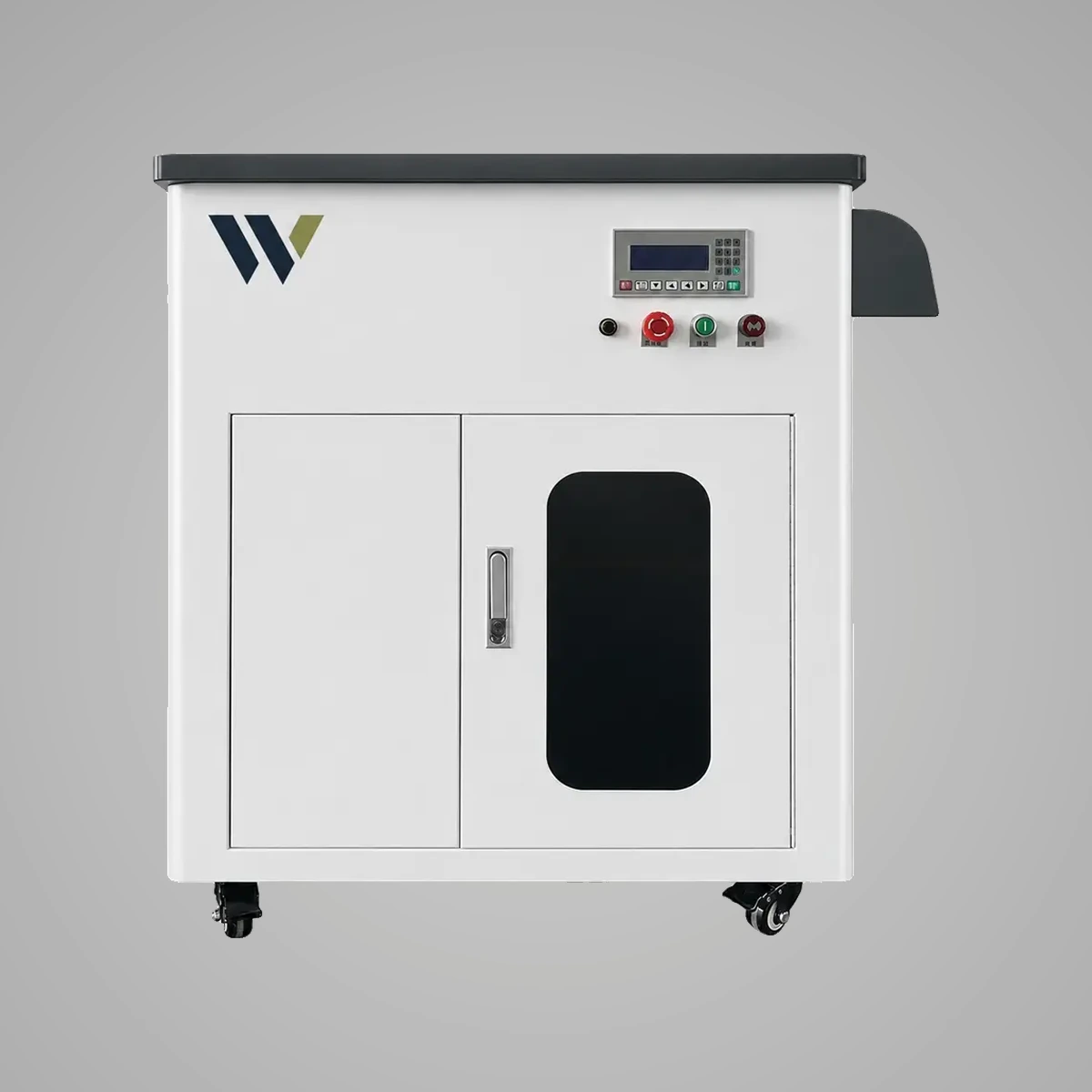
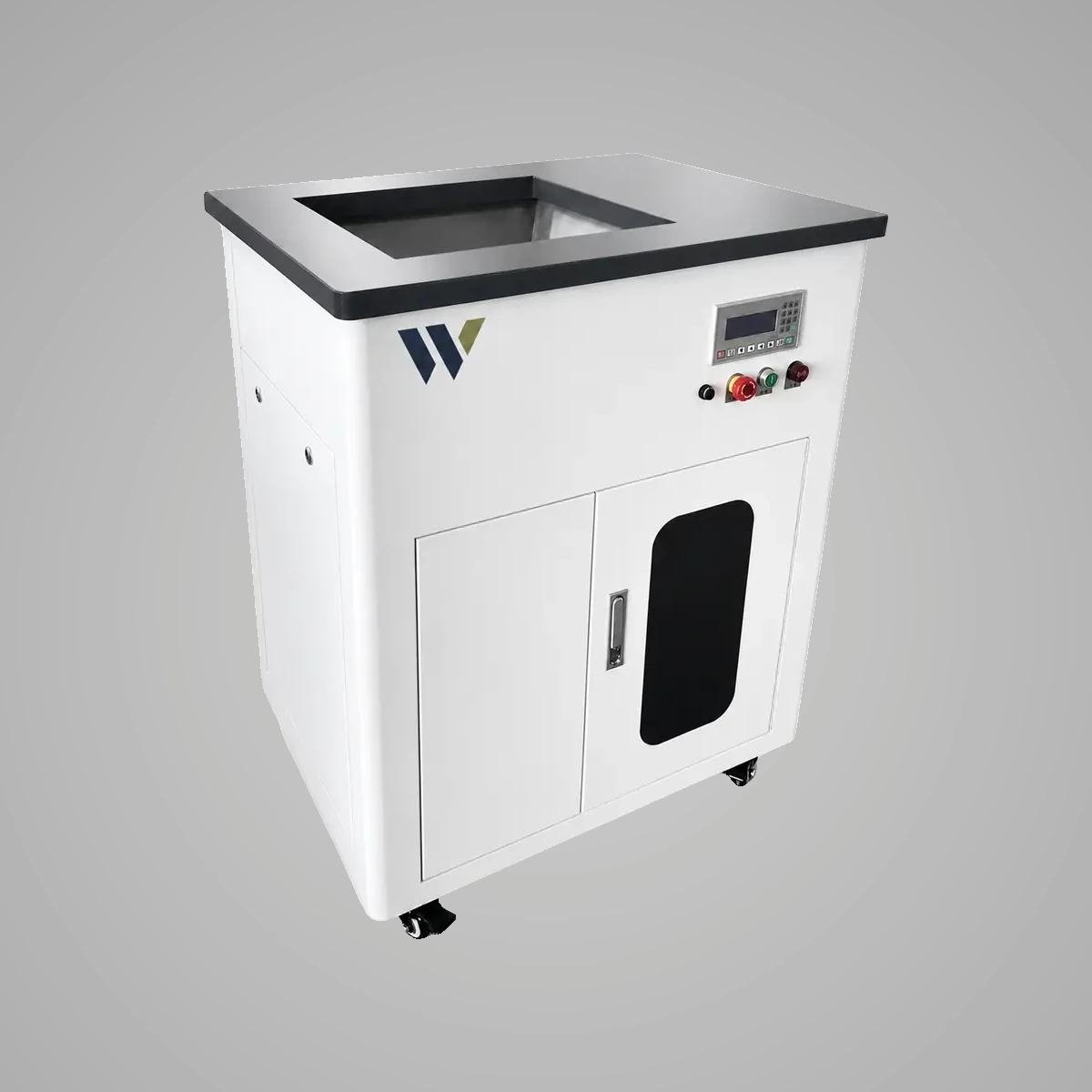
The Wawli Kitchen Waste Reduction Machine processes 150–300 kg/hour, combining size reduction with solid-liquid and oil-water separation for commercial kitchen-waste streams.
Kitchen waste reduction
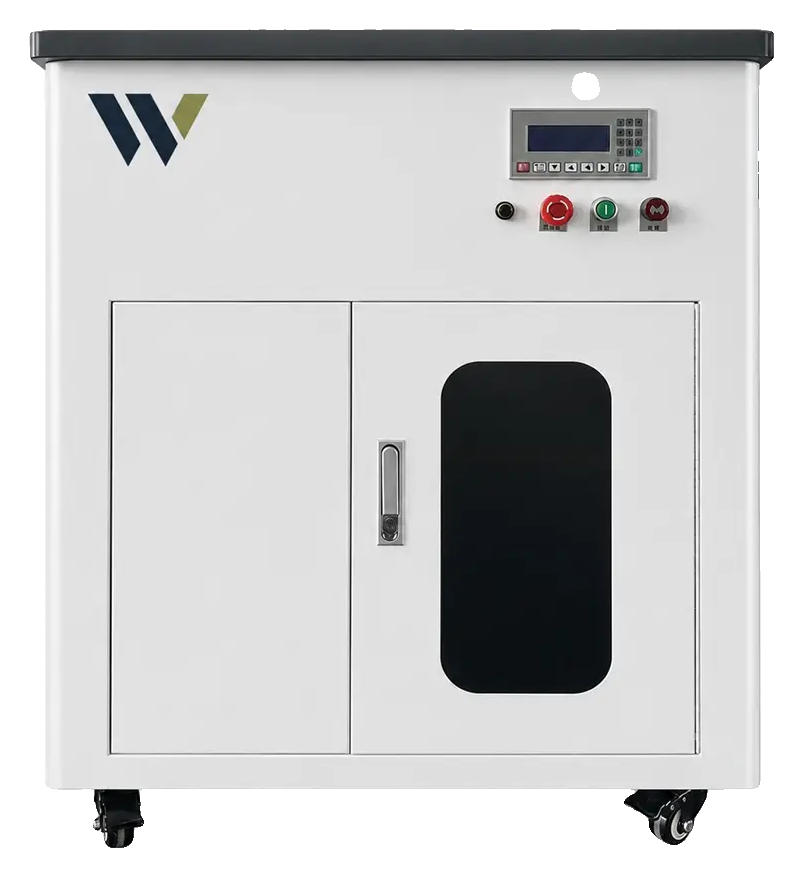
Wawli Kitchen Waste Reduction Machine is a pre-treatment system rather than a composter. It separates reduced solids, liquid and oil streams, so site planning must cover feed sorting, utilities, drainage and the approved downstream route for each output.
Applications
The Wawli Kitchen Waste Reduction Machine is designed for organized commercial preparation areas and carries a 150–300 kg/hour reference throughput. That hourly range is a reduction-throughput figure rather than a daily composting capacity.
Suitable settings include central kitchens, catering preparation facilities, hotel back-of-house operations and food-preparation sites that generate concentrated loads and need a defined reduction step before downstream handling.
How it works
Prepared kitchen waste moves through size reduction, solid-liquid separation and controlled oil-water handling in one integrated unit.
Introduce sorted kitchen waste through the top loading area.
The configured chopping stage reduces the incoming material for separation.
Solid residues, water and oil move through the integrated separation process.
Remove residues and manage recovered liquid streams according to site procedures.
Input guidance
Use properly sorted kitchen residues from canteens, restaurants and food-preparation facilities. Remove unsuitable hard objects and non-food contamination.
Do not load plastic, glass, metal or other non-organic objects. Follow the operating guide for feed preparation and loading limits.
Key features
Verified operating details, presented in the same clear Wawli format.
Verified reference processing range for commercial operations.
The system separates oil, water and solid residues.
Configured drainage and water replenishment support routine use.
The published design includes temperature control and dry-burn protection.
An oil sensor supports monitored discharge with an alarm function.
Reduction and separation are integrated within one equipment footprint.
Technical data
Core dimensions, utilities and operating data for the Wawli Kitchen Waste Reduction Machine.
Product FAQ
Clear answers based on the verified product information.
This throughput suits sites that receive a large amount of kitchen waste in a short window, such as after meal service or before scheduled collection. Measure both the total daily weight and the busiest hourly feed. The machine is most useful when the downstream containers and treatment steps can keep up with the same flow.
This is high-throughput commercial food waste processing equipment that reduces kitchen waste and separates solid, liquid and oil streams. A sink food waste grinder is a much smaller appliance and does not provide the same separation or project workflow. The choice depends on whether the site needs simple sink handling or a managed waste line.
Remove plastic, glass, metal, cutlery and other obvious foreign objects that could damage the equipment or contaminate the separated streams. A clear sorting station ahead of the feed point is usually enough. The machine handles the reduction step, while staff remain responsible for keeping unsuitable items out.
Plan a separate container or connection for each stream before installation. The solid fraction, liquid and recovered oil may follow different treatment or collection routes, depending on local requirements. The equipment reduces and separates the waste, but the site still needs a named destination and collection frequency for every output.
Collect and sort material close to where it is produced, then feed it at a controlled rate that the downstream containers can accept. Assign one person to check contaminants and the output area rather than allowing several unsorted bins to arrive at once. This keeps food waste management moving without creating a new bottleneck.
Confirm the incoming waste rate, feed access, utilities, drainage, output connections and the capacity of every downstream step. The line only works when separation, storage, treatment and collection are matched to the machine's throughput. This check also shows whether extra conveying or holding equipment is needed.